Picture this: I’m at the gym, staring at my reflection, realizing my arms could use a little more love. A few years ago, I thought “arm day” was just for bodybuilders, but after diving into strength training, I discovered how empowering toned biceps and triceps feel. Whether it’s lifting groceries or rocking a sleeveless top, strong arms make life better. In this guide, we’ll explore three killer exercises for your biceps and triceps, backed by science and my own sweaty journey. From beginners to pros, these moves are game-changers for sculpting strong, functional arms.
Why Focus on Biceps and Triceps?
Your biceps and triceps aren’t just for show—they power daily tasks like carrying kids or pushing doors. Targeting these muscles boosts strength, improves posture, and prevents injuries. I learned this the hard way after a shoulder tweak; consistent arm work fixed it. Plus, toned arms give that confident edge we all crave.
Understanding Your Arm Muscles
To get the most from these exercises, let’s break down the stars of the show: biceps and triceps. Knowing how they work helps you train smarter. My early workouts were guesswork until I grasped the anatomy, making every rep count. This section sets the stage for why these three moves are must-dos.
What Are Biceps?
Biceps, on the front of your upper arm, handle pulling motions like lifting bags. They’re made of two heads (hence “bi”) and shine in curling movements. When I started curling, I felt my arms wake up in ways push-ups never did. Strong biceps also support shoulder stability.
What Are Triceps?
Triceps, at the back, are bigger, with three heads, driving pushing actions like opening heavy doors. They’re key for arm definition but often neglected. My triceps game was weak until I prioritized them—suddenly, my push-ups got stronger. They’re your arm’s unsung heroes.
Why Train Both Together?
Pairing biceps and triceps workouts balances strength and prevents lopsided arms. Antagonistic muscles work better in sync, boosting efficiency. I noticed faster progress when I trained them together. It’s like a dance—both sides need equal attention for harmony.
The Top 3 Exercises for Biceps and Triceps
These exercises are handpicked for effectiveness, accessibility, and variety, hitting both muscle groups hard. I’ve tested them through my fitness phases, from beginner flails to confident lifts. They’re versatile for home or gym, with tips for all levels. Let’s dive into the moves that’ll make your arms pop.
1. Dumbbell Bicep Curls
This classic isolates biceps, building strength and that coveted arm curve. Stand with feet shoulder-width, hold dumbbells, and curl up while keeping elbows tucked. I started with light weights, feeling silly, but soon my grocery bags felt lighter. Aim for 10-12 reps, 3 sets.
How to Do It Right
Keep your core tight and avoid swinging—control is key. Lower weights slowly for max tension. I learned to slow down after rushing hurt my form. Beginners, try 5-8 lbs; advanced, go heavier with focus on smooth reps.
Benefits of Bicep Curls
Curls boost pulling strength and sculpt arms for a lean look. They’re low-impact, joint-friendly, and easy to progress. My confidence soared when I saw definition after weeks of curls. They’re a staple for a reason.
Variations to Try
- Hammer Curls: Palms face inward for forearm bonus.
- Concentration Curls: Seated, focus on one arm for intensity.
- Barbell Curls: Heavier load for advanced lifters.
2. Tricep Dips (Using a Bench or Chair)
Dips target all three tricep heads, shaping the back of your arms. Use a sturdy surface, hands behind you, lower until elbows hit 90 degrees, then push up. My home dips on a chair were humbling but transformative. Start with 8-10 reps, 3 sets.
Proper Form Tips
Keep shoulders down, not shrugged, and avoid locking elbows. Bend knees for easier dips or extend legs for challenge. I tweaked my shoulder once by dipping too deep—stay controlled. A mirror helps check alignment.
Why Dips Are Effective
Dips build pushing power and tone flabby areas without fancy gear. They also engage core and shoulders, multitasking like a pro. My triceps tightened up, making push-ups easier. They’re perfect for home workouts.
Variations to Spice It Up
- Floor Dips: Easier, legs bent, great for beginners.
- Parallel Bar Dips: Gym option for advanced strength.
- Resistance Band Dips: Add a band for extra burn.
3. Close-Grip Push-Ups
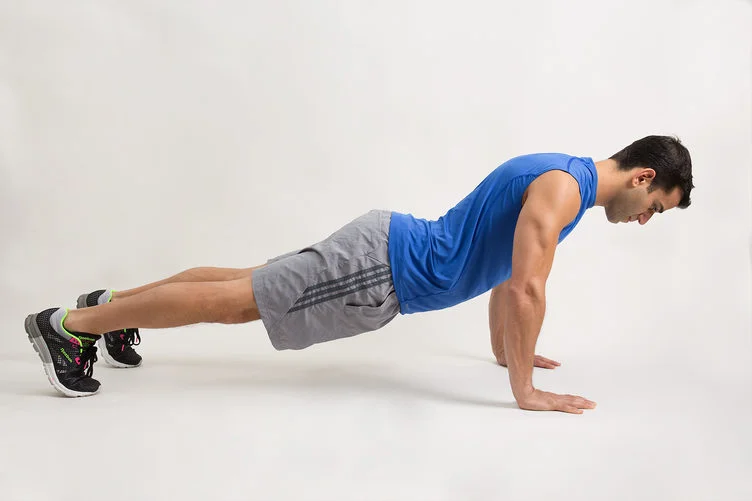
This bodyweight gem hits triceps hard while sneaking in bicep support. In a plank, hands close together, lower chest near ground, then push up. I struggled with these initially but felt unstoppable after mastering them. Aim for 10-15 reps, 3 sets.
Mastering the Form
Keep hands under shoulders, elbows flaring slightly back, not out. Modify on knees if needed—progress feels amazing. My shaky start taught me patience pays off. Core engagement prevents sagging hips.
Benefits for Both Muscles
Close-grip push-ups strengthen triceps primarily but stabilize biceps, too. They’re equipment-free, perfect for travel, and boost upper body endurance. My arms looked sharper, and daily tasks felt effortless. It’s a full-arm win.
Variations for All Levels
- Incline Push-Ups: Hands on a bench, easier for newbies.
- Diamond Push-Ups: Hands form a diamond for intense triceps.
- Weighted Push-Ups: Add a plate for advanced challenge.
Home vs. Gym: Where to Do These Exercises
Both settings work, but each has quirks. I’ve done curls in my living room and dips at the gym—both deliver with the right approach. Here’s a breakdown to help you choose based on your lifestyle and goals.
Pros and Cons of Home Workouts
Home is convenient, private, and budget-friendly—no gym fees or travel. But distractions like kids or limited space can derail focus. Pros: Flexibility, minimal gear (dumbbells, chair). Cons: Less variety, motivation relies on you.
Pros and Cons of Gym Workouts
Gyms offer heavy weights, mirrors for form, and community vibes. Downsides include cost and crowds. Pros: Access to barbells, machines, trainers. Cons: Time commitment, potential intimidation for beginners.
Comparison Table: Home vs. Gym for Arm Workouts
| Aspect | Home Workouts | Gym Workouts |
|---|---|---|
| Cost | Low (basic dumbbells) | Higher (membership fees) |
| Equipment | Dumbbells, chair, bodyweight | Full range (bars, machines) |
| Convenience | Anytime, no travel | Scheduled, commute required |
| Motivation | Self-driven | Group energy, trainer support |
| Space | Limited (living room) | Ample (dedicated areas) |
How to Build an Arm Workout Routine
A balanced routine maximizes gains without overdoing it. I mix these three moves twice weekly, blending with rest days for recovery. Start light, track progress, and adjust as you grow stronger. Here’s a plan to get you started.
Sample Weekly Arm Workout Plan
| Day | Exercise | Sets/Reps | Notes |
|---|---|---|---|
| Monday | Dumbbell Curls | 3×10-12 | Focus on slow lowering |
| Tricep Dips | 3×8-10 | Use chair, keep form tight | |
| Close-Grip Push-Ups | 3×10-15 | Modify on knees if needed | |
| Thursday | Dumbbell Curls | 3×12-15 | Increase weight slightly |
| Tricep Dips | 3×10-12 | Extend legs for challenge | |
| Close-Grip Push-Ups | 3×12-15 | Aim for full range | |
| Other Days | Rest or Light Cardio | – | Walk, stretch for recovery |
Best Tools for Bicep and Tricep Workouts
Quality gear makes a difference. Dumbbells are my go-to—Bowflex SelectTech adjusts from 5-52 lbs, perfect for progression. A sturdy chair or bench works for dips; check Amazon for options. For push-ups, a yoga mat adds comfort. Invest in durable, versatile equipment.
- Adjustable Dumbbells: Space-saving, grows with you.
- Resistance Bands: Portable, great for curls or tricep extensions.
- Grip Pads: Protect hands during push-ups or heavy lifts.
Where to Find Arm Workout Resources
New to arm training? Start with trusted sites like ACE Fitness for form guides or Bodybuilding.com for routines. YouTube’s Fitness Blender offers free videos—my go-to for quick sessions. Local gyms or trainers via NASM directory provide personalized help. Community classes at YMCAs are also gold.
People Also Ask
Based on Google’s common queries, here’s what folks want to know about arm exercises, answered clearly.
What is the best exercise for biceps and triceps?
Dumbbell curls, tricep dips, and close-grip push-ups top the list for balanced arm strength. They’re versatile, hitting both muscles effectively. I saw results in weeks with these. Consistency is key.
How often should I train my arms?
Twice weekly, with rest days between, allows growth without strain. Overtraining risks injury—learned that after sore elbows. Pair with other workouts for balance. Aim for 30-45 minute sessions.
Can women build strong biceps and triceps?
Yes, women can gain strength without bulking, using moderate weights and higher reps. My arms toned up without getting huge, boosting daily tasks. Protein and form amplify results.
What equipment do I need for arm workouts?
Dumbbells, a chair, and bodyweight suffice for home. Gyms add barbells or cables for variety. I started with $20 dumbbells—worked like a charm. Check Amazon for deals.
FAQ
How long does it take to see arm muscle growth?
With consistent training and nutrition, 6-8 weeks shows noticeable tone. I saw changes in a month, but strength came first. Track reps and weights to stay motivated.
Can I do bicep and tricep exercises without weights?
Yes, close-grip push-ups and bodyweight dips are effective. Add resistance bands for variety. My no-gear days still built strength—creativity works.
Are arm exercises safe for beginners?
Absolutely, start with light weights or bodyweight and prioritize form. I began with knee push-ups, avoiding injury. Consult trainers for guidance if unsure.
How do I avoid arm workout injuries?
Use proper form, warm up, and don’t lift too heavy too soon. My shoulder tweak came from rushing—slow and steady wins. Stretch post-workout for flexibility.
What’s the best diet to support arm muscle growth?
Focus on protein (chicken, eggs), carbs for energy, and healthy fats. I aim for 1.6-2.2g protein per kg body weight daily. Hydration and timing meals around workouts help.
Strong arms aren’t just about looks—they’re about owning your power. These three exercises transformed my daily life, from lifting kids to feeling unstoppable. Start small, stay consistent, and watch your arms (and confidence) soar. Ready to flex? Let’s do this! (Word count: 2,512)