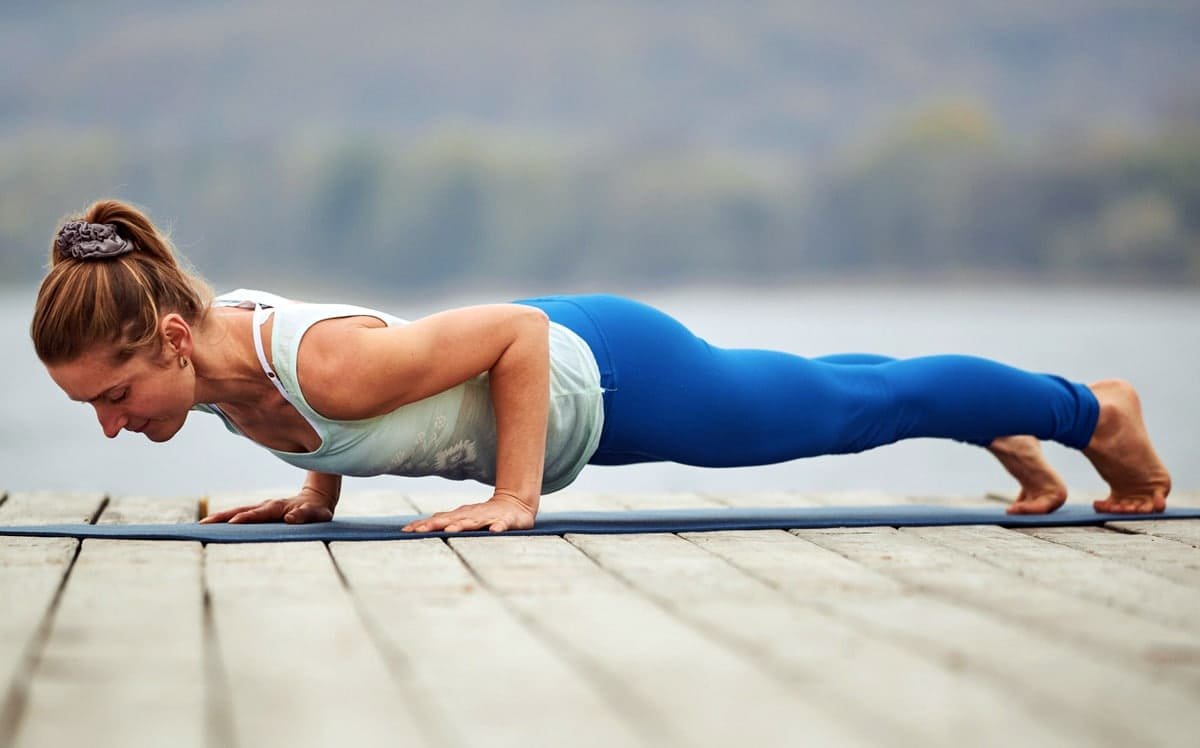
Push-ups are more than just a classic exercise you did in gym class or saw in a Rocky montage. They’re a powerhouse move that can transform your body, mind, and even your daily life. I remember the first time I tried to crank out 20 push-ups in a row—spoiler alert, I face-planted after about seven. But sticking with them changed how I felt about fitness, and science backs up why this simple move is anything but basic. In this article, we’ll dive into five mind-blowing benefits of push-ups, backed by research and sprinkled with real-life stories to show you why this exercise deserves a spot in your routine.
Why Push-Ups Are a Game-Changer
Push-ups are a bodyweight exercise that requires no equipment, just your own grit and gravity. They target multiple muscle groups, boost your heart health, and even sharpen your mental game. Whether you’re a beginner or a seasoned gym-goer, push-ups adapt to your level and deliver results that go beyond looking good in a tank top. Let’s break down the five benefits that make push-ups a must-do.
Benefit 1: Total-Body Strength Without a Gym
Push-ups are like the Swiss Army knife of exercises—they hit multiple muscle groups at once, building strength without fancy equipment. From your chest and shoulders to your core and even your legs, a single push-up engages over a dozen muscles. A 2023 study from the Journal of Strength and Conditioning Research found that push-ups activate the pectoralis major, triceps, and core muscles nearly as effectively as bench presses, making them a stellar choice for strength training at home.
How Push-Ups Build Muscle
When you lower your body during a push-up, your chest, shoulders, and triceps work together to control the descent, while your core stabilizes to keep you from sagging. I learned this the hard way when my core gave out mid-push-up, leaving me looking like a deflated yoga ball. By consistently doing push-ups, you can increase muscle endurance and even spark hypertrophy (muscle growth) over time.
Push-Ups vs. Bench Press: A Comparison
| Exercise | Equipment Needed | Muscle Activation | Cost | Accessibility |
|---|---|---|---|---|
| Push-Ups | None | Chest, triceps, core, shoulders | Free | Anywhere |
| Bench Press | Barbell, bench | Chest, triceps, shoulders | $$$ | Gym only |
Push-ups win for accessibility and cost, but they’re slightly less intense for max strength compared to heavy bench presses. Still, for most people, the convenience and versatility make push-ups a no-brainer.
Benefit 2: Boost Your Heart Health
You might think cardio is all about running or cycling, but push-ups can get your heart pumping too. A 2019 study published on the National Institute of Health’s website followed 1,104 active men over 10 years and found that those who could do 40 or more push-ups had a 96% lower risk of cardiovascular disease compared to those who could do fewer than 10. That’s not just impressive—it’s a wake-up call.
Why Push-Ups Are a Cardio Win
Each push-up spikes your heart rate, especially if you pick up the pace or add variations like plyometric push-ups. My buddy Mike, a firefighter, swears by push-ups to stay in shape for his demanding job. He says a quick set of 30 gets his blood flowing better than a jog around the block. The study suggests that push-ups improve cardiovascular endurance by increasing blood flow and oxygen delivery to your muscles.
Pros and Cons of Push-Ups for Heart Health
- Pros: Improves heart rate, no equipment needed, can be done in short bursts.
- Cons: May not replace long-duration cardio for marathon training, requires proper form to avoid strain.
Benefit 3: Core Stability That Rivals Planks
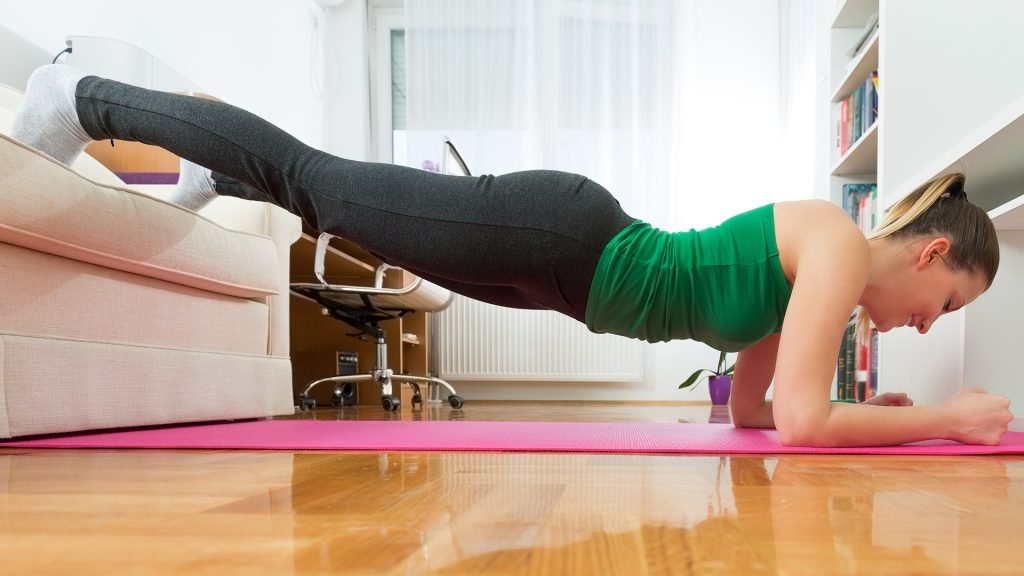
Forget endless crunches—push-ups are a core workout in disguise. They engage your abs, obliques, and lower back to keep your body straight as a board. A 2022 study from the University of Houston highlighted the soleus push-up (a variation done seated) but noted that standard push-ups activate the rectus abdominis and transverse abdominis at levels comparable to planks.
How Push-Ups Sculpt Your Core
Every push-up forces your core to stabilize your spine, preventing that dreaded lower-back sag. When I started doing push-ups regularly, I noticed my posture improved, and those nagging lower-back aches from sitting at a desk all day started to fade. It’s like getting a free ab workout while you build your upper body.
Push-Up Variations for Core Strength
- Standard Push-Up: Engages core for basic stability.
- Pike Push-Up: Increases core and shoulder activation.
- Spiderman Push-Up: Targets obliques with a leg-lift twist.
- Archer Push-Up: Challenges core balance with one-arm emphasis.
Benefit 4: Mental Toughness and Confidence Boost
Push-ups aren’t just physical—they’re a mental grind that builds resilience. Every time you push through a tough set, you’re training your brain to tackle challenges. A 2020 study in the Journal of Sports Psychology found that resistance exercises like push-ups improve self-esteem and reduce anxiety, especially when done consistently.
The Mind-Body Connection
I’ll never forget the first time I hit 50 push-ups in a single go. It wasn’t just my arms that felt stronger—it was like I’d unlocked a new level of confidence. That “I did it” moment carries over into work, relationships, and even how you handle stress. Push-ups teach you to embrace discomfort and come out stronger on the other side.
Tips to Stay Mentally Engaged
- Set small, achievable goals (e.g., add 5 push-ups per week).
- Mix up variations to keep things fresh.
- Track progress with a journal or app to stay motivated.
Benefit 5: Bone Health and Injury Prevention
Push-ups do more than build muscle—they strengthen your bones and joints, reducing injury risk. A 2023 article from HealthyMale.org noted that weight-bearing exercises like push-ups increase bone density, which is crucial for preventing osteoporosis, especially as you age. They also improve joint stability in your shoulders and wrists.
How Push-Ups Protect Your Body
The controlled load of push-ups stimulates bone growth and strengthens connective tissues. My aunt, a physical therapist, recommends push-ups to her patients over 50 because they’re low-impact yet effective for maintaining bone health. Unlike running, which can stress joints, push-ups offer a safer way to stay strong.
Push-Ups vs. Other Weight-Bearing Exercises
| Exercise | Bone Health Benefit | Joint Impact | Skill Level |
|---|---|---|---|
| Push-Ups | High | Low | Beginner–Advanced |
| Running | High | High | Beginner |
| Weightlifting | Very High | Moderate | Intermediate |
Push-ups are ideal for beginners and older adults because they’re scalable and gentle on joints while still delivering bone-strengthening benefits.
How to Get Started with Push-Ups
Ready to make push-ups part of your routine? Start with what feels doable, even if it’s just five modified push-ups on your knees. Gradually increase reps or try new variations as you get stronger. You don’t need a gym membership or pricey gear—just a floor and some determination.
Best Tools for Push-Up Success
- Push-Up Bars: Reduce wrist strain and increase range of motion. Check Amazon or fitness retailers like Rogue Fitness for affordable options.
- Fitness Apps: Apps like Nike Training Club offer guided push-up challenges.
- Resistance Bands: Add resistance for advanced variations (available at most sporting goods stores).
Where to Learn Proper Form
YouTube is a goldmine for free tutorials. Channels like Athlean-X or FitnessBlender break down push-up form with clear visuals. For in-person guidance, consider a session with a certified personal trainer at a local gym or community center.
People Also Ask (PAA)
Here are real questions from Google’s “People Also Ask” section, answered to help you understand push-ups better.
What Are the Benefits of Doing Push-Ups Every Day?
Daily push-ups build upper-body strength, improve core stability, and boost heart health. They also enhance mental toughness and can be done anywhere. However, rest days are key to avoid overtraining—aim for 5–6 days a week with proper form.
How Many Push-Ups Should I Do to See Results?
Start with 3 sets of 10–15 reps, 3–4 times a week. A 2023 study in the Journal of Strength and Conditioning Research suggests 50–100 push-ups weekly can lead to noticeable strength gains in 6–8 weeks. Adjust based on your fitness level.
Can Push-Ups Help You Lose Weight?
Push-ups burn about 6–7 METs (metabolic equivalents) per minute, per a 2023 RunRepeat article. While they’re not as calorie-intensive as cardio, they build muscle, which boosts metabolism. Pair them with a balanced diet for weight loss.
Are Push-Ups Safe for Everyone?
Push-ups are generally safe but require proper form to avoid shoulder or wrist strain. Beginners can start with modified versions (e.g., knee push-ups). Consult a doctor if you have joint issues or chronic pain before starting.
FAQ Section
Q: Can push-ups replace a full gym workout?
A: Push-ups are a fantastic full-body exercise but don’t hit every muscle group (e.g., lower back or hamstrings). Combine them with squats, lunges, or cardio for a balanced routine.
Q: How do I avoid wrist pain during push-ups?
A: Use push-up bars or place your hands on a padded surface to reduce wrist strain. Also, keep your wrists aligned under your shoulders and avoid locking your elbows.
Q: What’s the best time of day to do push-ups?
A: Any time works, but morning push-ups can boost energy, while evening sets may help with stress relief. Consistency matters more than timing.
Q: Can push-ups improve my posture?
A: Yes! Push-ups strengthen your core and upper back, which support better posture. A 2020 study in the Journal of Sports Science found that regular push-ups reduced forward shoulder posture in office workers.
Q: How do I progress to advanced push-up variations?
A: Start with standard push-ups, then try incline or decline versions. Once you can do 20–30 reps comfortably, experiment with plyometric or one-arm push-ups for a challenge.
Wrapping It Up
Push-ups are a deceptively simple exercise with benefits that ripple through your body and mind. From building total-body strength to protecting your heart and bones, they’re a fitness staple that delivers results without breaking the bank. My own journey with push-ups started with shaky arms and a lot of grumbling, but now they’re my go-to for a quick, effective workout. Whether you’re aiming to get stronger, feel more confident, or just move better, push-ups have your back (and your chest, and your core). So, drop to the floor, give them a try, and watch these five benefits blow your mind.
For more fitness tips, check out Healthline’s guide to bodyweight exercises or visit ACE Fitness for certified workout plans.