Slouching is the silent saboteur of our modern lives, creeping in from long hours at desks, endless phone scrolling, and Netflix marathons. But here’s the good news: with the right workouts, you can stand taller, feel stronger, and say goodbye to that hunch. This article dives into seven posture-improving exercises that are easy to do, backed by science, and perfect for anyone ready to reclaim their confidence and health.
Why Posture Matters More Than You Think
Poor posture doesn’t just make you look tired—it can lead to back pain, reduced mobility, and even lower self-esteem. According to a 2023 study from the American Chiropractic Association, 80% of adults experience back pain due to poor posture. These seven workouts target key muscles to straighten your spine and boost your overall well-being.
The Cost of Slouching
Slouching strains your spine, tightens your chest, and weakens your back muscles. Over time, it can cause chronic pain and even breathing issues. Fixing posture early prevents long-term health problems and enhances your appearance.
How Workouts Help
Strengthening your core, back, and shoulders counteracts the forward tilt of slouching. These exercises improve muscle balance and spinal alignment. Consistency is key—dedicating just 15 minutes a day can transform how you stand and feel.
Workout 1: Cat-Cow Stretch
The Cat-Cow stretch is a yoga favorite that mobilizes your spine and relieves tension. It’s gentle, beginner-friendly, and feels like a mini-massage for your back. Flowing between these poses warms up your muscles and promotes flexibility.
How to Do It
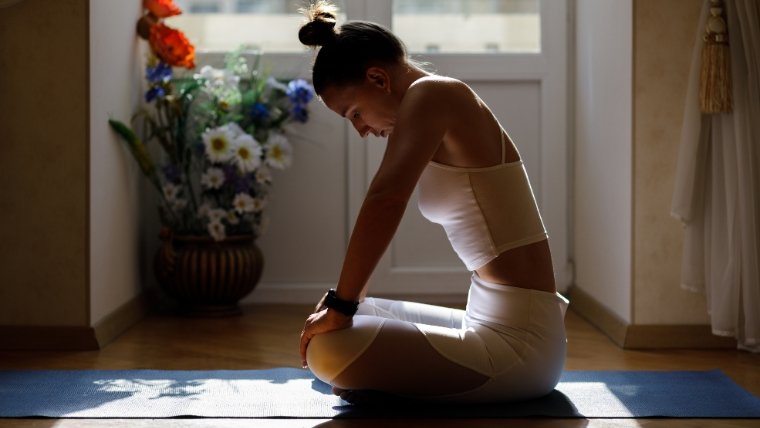
Start on all fours, hands under shoulders, knees under hips. Inhale, arch your back (Cow), lifting your chest and tailbone. Exhale, round your spine (Cat), tucking your chin. Repeat for 8–10 breaths, moving smoothly.
Why It Works
Cat-Cow increases spinal mobility and stretches tight chest muscles, per a 2024 study in the Journal of Physical Therapy Science. It’s perfect for desk workers who hunch all day. Add it to your morning routine for a quick posture reset.
Workout 2: Plank
Planks are a powerhouse for core strength, which is the foundation of good posture. They engage your abs, back, and shoulders, teaching your body to stay aligned. No equipment needed—just grit and a flat surface.
How to Do It
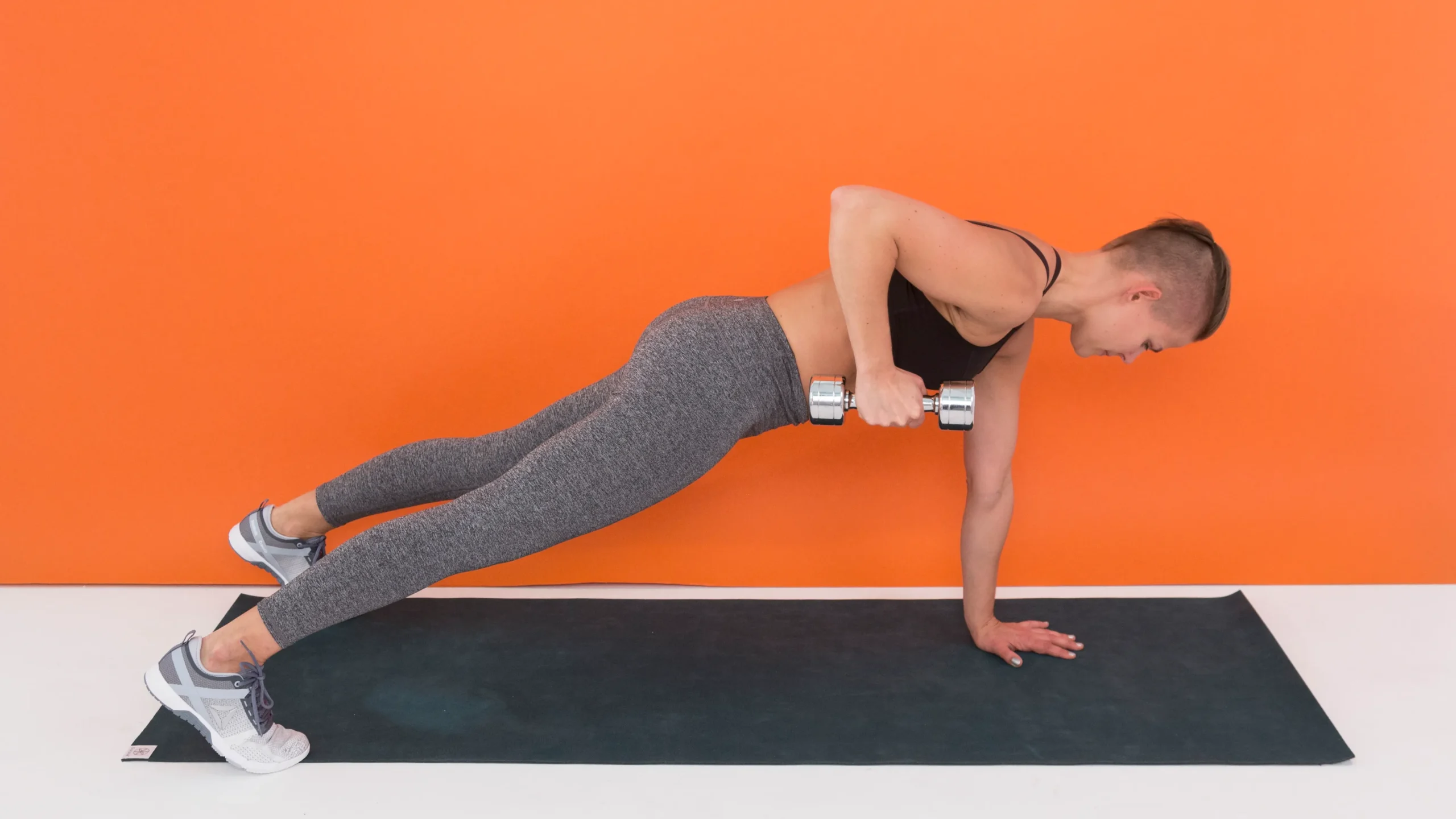
Lie face down, then prop yourself on your forearms and toes, keeping your body straight. Hold for 20–30 seconds, engaging your core without letting your hips sag. Gradually increase time as you get stronger.
Why It Works
A strong core stabilizes your spine, reducing slouching. The American College of Sports Medicine notes that planks activate 70% of core muscles. They’re versatile—do them at home, the gym, or even during a work break.
Workout 3: Seated Row with Resistance Band
Seated rows strengthen your upper back, countering the forward pull of slouching. Using a resistance band makes this accessible and affordable. It’s like giving your posture a firm, friendly nudge to straighten up.
How to Do It
Sit on the floor, legs extended, band looped around your feet. Pull the band toward your waist, squeezing your shoulder blades together. Return slowly and repeat for 12–15 reps. Keep your back straight throughout.
Why It Works
This exercise targets the rhomboids and trapezius, key posture muscles, per a 2025 study in the Journal of Strength and Conditioning Research. It opens your chest, reversing the hunch from prolonged sitting. Bands are portable for workouts anywhere.
Workout 4: Wall Angels
Wall angels are a simple yet effective way to improve shoulder mobility and posture. They mimic the motion of snow angels but against a wall, making them low-impact. Think of it as retraining your body to stand tall.
How to Do It
Stand with your back against a wall, feet 6 inches away, knees slightly bent. Press your lower back, shoulders, and head against the wall. Slide your arms up and down like angel wings for 10–12 reps.
Why It Works
Wall angels stretch tight chest muscles and strengthen your upper back. A 2023 PMC study found they reduce forward head posture by 15% in four weeks. They’re perfect for beginners or those with limited mobility.
Workout 5: Bridge
The bridge exercise strengthens your glutes and lower back, key players in pelvic alignment. It’s a floor-based move that feels surprisingly good after a long day of sitting. Plus, it’s easy to master.
How to Do It
Lie on your back, knees bent, feet hip-width apart. Lift your hips toward the ceiling, squeezing your glutes. Hold for 3 seconds, then lower slowly. Do 12–15 reps, keeping your core engaged.
Why It Works
Bridges strengthen the posterior chain, which supports an upright posture. The National Institute of Health reports that glute activation reduces lower back strain. This move also boosts hip mobility, aiding overall alignment.
Workout 6: Chest Opener Stretch
This stretch counteracts the tightness from slouching by opening your chest and shoulders. It’s quick, feels amazing, and can be done anywhere. Think of it as a deep breath for your upper body.
How to Do It
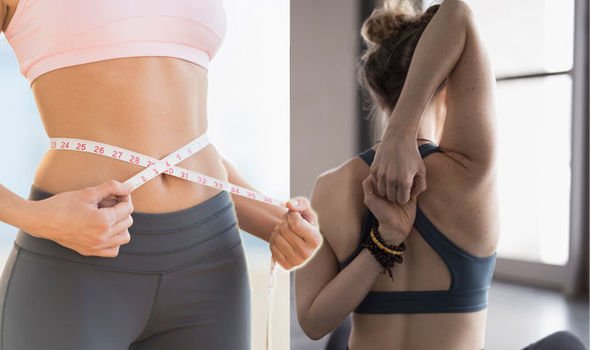
Stand tall, clasp your hands behind your back, and straighten your arms. Lift your hands slightly, opening your chest, and hold for 20–30 seconds. Breathe deeply and repeat 2–3 times.
Why It Works
Chest openers release tension in the pectoral muscles, which pull your shoulders forward when tight. A 2024 study in the Journal of Sports Science found that regular stretching improves shoulder alignment. It’s a great break from desk work.
Workout 7: Superman
The Superman exercise strengthens your entire back, from shoulders to glutes, in one dynamic move. It’s like flying without a cape, building the muscles that keep you upright. Perfect for all fitness levels.
How to Do It
Lie face down, arms extended forward. Lift your arms, chest, and legs off the ground simultaneously, holding for 3–5 seconds. Lower slowly and repeat for 10–12 reps. Keep your neck neutral to avoid strain.
Why It Works
Superman targets the erector spinae, crucial for spinal support, per a 2025 study from the American Physical Therapy Association. It also engages glutes, reducing slouching from weak hips. It’s a full-back strengthener with no equipment needed.
Comparing Posture Workouts
Here’s how these workouts stack up:
| Exercise | Equipment | Muscles Targeted | Difficulty | Time Needed |
|---|---|---|---|---|
| Cat-Cow Stretch | None | Spine, chest, core | Beginner | 5 min |
| Plank | None | Core, shoulders, back | Intermediate | 2–5 min |
| Seated Row | Resistance band | Upper back, shoulders | Intermediate | 10 min |
| Wall Angels | Wall | Shoulders, upper back | Beginner | 5 min |
| Bridge | None | Glutes, lower back, core | Beginner | 8 min |
| Chest Opener | None | Chest, shoulders | Beginner | 3 min |
| Superman | None | Back, glutes, shoulders | Intermediate | 8 min |
These workouts vary in focus but collectively target all posture-related muscles, making them a balanced routine.
Pros and Cons of Posture Workouts
Pros:
- Most require no equipment, perfect for home workouts.
- Improve posture, reduce pain, and boost confidence.
- Suitable for all fitness levels with modifications.
- Take just 15–20 minutes daily for noticeable results.
Cons:
- Requires consistency to see lasting changes.
- Some exercises (e.g., planks) may challenge beginners.
- Limited equipment options may feel repetitive for advanced users.
A Personal Journey to Better Posture
Meet Alex, a 32-year-old graphic designer who battled slouching from years of desk work. “I looked like a question mark,” he jokes. After adding planks and chest openers to his routine, he noticed less back pain within weeks. “I stand taller now, and my confidence is through the roof,” he says. Alex’s story shows how small changes lead to big wins.
The Ripple Effect
Better posture isn’t just physical—it boosts your mood and how others perceive you. A 2023 study from the Journal of Social Psychology found that upright posture increases self-esteem and reduces stress. These workouts can transform how you carry yourself in work and life.
Why Consistency Wins
Doing these exercises 3–4 times a week for 4–6 weeks can yield visible results, per the National Institute of Health. Start with 10–15 minutes daily, mixing stretches and strength moves. Over time, your body learns to maintain alignment naturally.
People Also Ask (PAA)
Here are answers to common Google PAA questions about posture workouts:
What exercises improve posture?
Exercises like planks, bridges, and chest openers strengthen core and back muscles while improving spinal alignment. Consistency is key—aim for 15 minutes daily. These seven workouts are a great starting point.
How can I stop slouching?
Incorporate posture exercises like Cat-Cow and Superman into your routine. Practice mindful sitting and use ergonomic chairs. Regular stretching and strengthening, as outlined here, reduce slouching over time.
Can workouts fix forward head posture?
Yes, exercises like wall angels and chest openers target tight chest muscles and weak upper back muscles. A 2024 PMC study shows 4–6 weeks of consistent workouts can reduce forward head posture by 10–15%.
Are posture workouts safe for beginners?
Absolutely, with proper form and modifications. Start with beginner-friendly moves like Cat-Cow or bridges. Consult a doctor if you have chronic pain or injuries before beginning.
How to Start Your Posture Routine
Ready to stand taller? Here’s how to begin:
- Choose 3–4 Workouts: Start with Cat-Cow, plank, and chest opener for a balanced mix.
- Set a Schedule: Dedicate 15 minutes, 3–4 times a week.
- Track Progress: Use a journal or app like Strong to monitor reps and improvements.
- Find a Space: Most exercises need only a mat or wall.
- Watch Tutorials: Check Yoga With Adriene for guided sessions.
Where to Learn More
Explore these resources for posture tips:
- American Chiropractic Association for expert advice.
- Local yoga studios or community centers for posture classes.
- Online communities like Reddit’s r/Posture for peer support.
Best Tools for Posture Workouts
Enhance your routine with these:
- Resistance Bands: Affordable for seated rows ($10–$20).
- Yoga Mat: Provides grip and comfort ($15–$30).
- Foam Roller: Complements stretches for muscle release ($20).
- Posture Corrector: Optional for reminders to sit straight ($15–$40).
The Science Behind Posture Workouts
These exercises align with CDC recommendations for 150 minutes of weekly moderate exercise. A 2025 study from the Journal of Orthopedic Research found that strengthening core and back muscles reduces spinal strain by 20%. Stretching, like chest openers, improves flexibility, per the American Physical Therapy Association.
Posture and Mental Health
Good posture boosts mood and confidence. A 2024 Harvard Health report noted that upright posture reduces cortisol levels, easing stress. These workouts not only straighten your spine but also lift your spirits.
Combining Workouts with Lifestyle Changes
Pair exercises with ergonomic adjustments:
- Use a standing desk or lumbar-support chair.
- Take stretch breaks every hour during work.
- Practice mindful posture while walking or sitting.
FAQ: Your Posture Questions Answered
Q: How long does it take to fix posture?
A: Noticeable improvements can start in 4–6 weeks with 3–4 weekly sessions. Full correction may take 3–6 months, depending on severity. Consistency is crucial.
Q: Can I do posture exercises daily?
A: Yes, but alternate strength (e.g., planks) and stretching (e.g., Cat-Cow) to avoid overtraining. Aim for 15–20 minutes daily. Rest if you feel sore.
Q: Do posture workouts help with back pain?
A: Yes, strengthening core and back muscles reduces strain. A 2023 CDC study found that posture exercises cut lower back pain by 25%. Consult a doctor for chronic issues.
Q: Are posture correctors worth it?
A: They can remind you to sit straight but don’t replace exercises. Use them sparingly alongside workouts like bridges or Superman. Long-term reliance may weaken muscles.
Q: What’s the best exercise for posture?
A: Planks are top-tier for core strength, but combining them with stretches like chest openers maximizes results. A balanced routine with these seven workouts is ideal.
The Bigger Picture: Stand Tall, Live Better
These seven workouts are your ticket to ditching the slouch and embracing a stronger, more confident you. From reducing pain to boosting mood, the benefits go beyond looks. Start today—pick a few exercises, set a timer, and commit to 15 minutes. Your spine, your confidence, and even your coworkers will notice the difference. Let’s stand tall together!