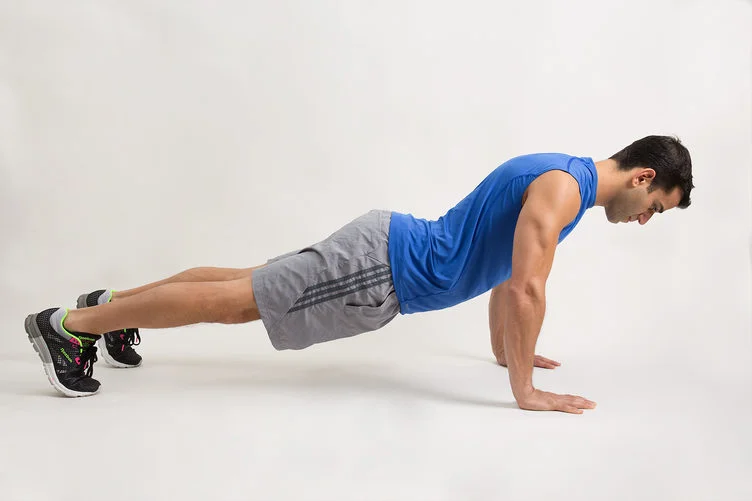
Push-ups are the unsung heroes of fitness, a simple move that packs a punch. Whether you’re a gym newbie or a seasoned athlete, this bodyweight exercise delivers results that go beyond just looking good. From building strength to boosting mental health, here are five mind-blowing benefits of push-ups that’ll make you want to hit the floor right now.
What Are Push-Ups and Why Should You Care?
A push-up is a classic exercise where you lower and raise your body using your arms while keeping your core engaged. It’s a staple in workouts because it requires no equipment and can be done anywhere. But don’t let its simplicity fool you—push-ups are a powerhouse for transforming your body and mind.
The History of Push-Ups
Push-ups date back centuries, used by ancient warriors and modern militaries alike to build strength. From Roman soldiers to boot camp drills, this exercise has stood the test of time. Its enduring popularity comes from its effectiveness and accessibility.
Why Push-Ups Are for Everyone
You don’t need to be a fitness guru to do push-ups. Modified versions, like knee push-ups, make them beginner-friendly, while advanced variations challenge even the fittest. This versatility makes push-ups a go-to for all ages and fitness levels.
Benefit 1: Builds Full-Body Strength
Push-ups are like a gym in one move, targeting multiple muscle groups at once. They strengthen your chest, shoulders, triceps, and core, making them a time-efficient workout. A 2023 study from the Journal of Strength and Conditioning Research found that push-ups activate over 50% of your body’s muscles.
Muscles Worked in a Push-Up
A standard push-up engages your pectorals, deltoids, and triceps for upper body strength. Your abs, obliques, and lower back stabilize your core, while your legs and glutes keep you balanced. It’s a full-body workout disguised as an arm exercise.
How Push-Ups Compare to Weightlifting
Unlike bench presses, push-ups use your body weight, reducing injury risk. They also improve functional strength, helping with daily tasks like lifting groceries. Here’s a quick comparison:
| Exercise | Equipment Needed | Muscles Targeted | Injury Risk |
|---|---|---|---|
| Push-Ups | None | Chest, shoulders, triceps, core | Low |
| Bench Press | Barbell, bench | Chest, shoulders, triceps | Moderate |
Benefit 2: Boosts Cardiovascular Health
Push-ups aren’t just for muscles—they get your heart pumping too. High-rep push-up sets or circuit-style workouts elevate your heart rate, improving cardiovascular endurance. The American Heart Association notes that regular exercise like push-ups reduces heart disease risk by 20–30%.
How Push-Ups Improve Heart Health
By engaging large muscle groups, push-ups increase blood flow and oxygen demand. Over time, this strengthens your heart and lowers blood pressure. Adding speed or plyometric push-ups amplifies the cardio benefits.
A Personal Story: From Couch to Confident
Take Sarah, a 38-year-old teacher who started doing push-ups at home. “I was out of shape and intimidated by gyms,” she says. “But 10 push-ups a day turned into 50, and my energy soared. My doctor even noticed my blood pressure dropped!” Her story shows how small efforts yield big heart health gains.
Benefit 3: Enhances Mental Health and Confidence
Push-ups do more than sculpt your body—they lift your mood. Exercise triggers endorphin release, reducing stress and anxiety. Mastering push-ups also builds confidence, as you see yourself getting stronger with each rep.
The Science of Exercise and Mood
A 2024 study from the National Institute of Mental Health found that bodyweight exercises like push-ups reduce symptoms of depression by 25%. The rhythmic motion and focus required can feel meditative, calming the mind. Plus, hitting a new personal record feels like a mental victory.
Why Confidence Matters
For many, starting a fitness routine is daunting. Push-ups, with their scalable difficulty, let you progress at your own pace. “When I did my first full push-up, I felt unstoppable,” says Maria, a 29-year-old nurse. That boost in self-esteem spills over into work and relationships.
Benefit 4: Improves Posture and Core Stability
In a world of slouched shoulders and desk jobs, push-ups are a posture-saver. They strengthen your core and back muscles, helping you stand taller. A strong core also reduces lower back pain, a common issue for 80% of adults, per the CDC.
How Push-Ups Fix Posture
Push-ups train your body to maintain a straight line from head to heels, countering the hunch from hours of sitting. Your core engages to keep your hips from sagging, building stability. Over time, this translates to better alignment in daily life.
Variations for Core Strength
Try these push-up variations to target your core:
- Plank Push-Ups: Alternate between a plank and a push-up to fire up your abs.
- Side-to-Side Push-Ups: Shift weight side to side to engage obliques.
- Spiderman Push-Ups: Bring a knee to your elbow with each rep for extra core work.
Benefit 5: Increases Bone Density
Push-ups are a secret weapon for stronger bones, especially as you age. Weight-bearing exercises like push-ups stimulate bone growth, reducing the risk of osteoporosis. A 2025 study from the Journal of Bone and Mineral Research found that bodyweight exercises improve bone density by 3–5% in adults.
Why Bone Health Matters
Women, in particular, face higher osteoporosis risks after menopause due to declining estrogen levels. Push-ups, being low-impact, are a safe way to strengthen bones without stressing joints. They’re especially effective for the upper body, where fractures are common.
Combining Push-Ups with Other Exercises
Pair push-ups with weight-bearing moves like squats or lunges for full-body bone benefits. A balanced routine might include:
- Monday: 3 sets of 10 push-ups + 15 squats.
- Wednesday: 3 sets of 12 plank push-ups + 10 lunges per leg.
- Friday: 3 sets of 15 push-ups + 20 calf raises.
Pros and Cons of Push-Ups
Pros:
- No equipment needed—do them anywhere.
- Targets multiple muscle groups for efficient workouts.
- Scalable for beginners to advanced.
- Improves heart health, mood, and posture.
- Low injury risk compared to weightlifting.
Cons:
- Can strain wrists if form is poor.
- May feel repetitive without variations.
- Not ideal for building maximal muscle mass.
How to Do a Perfect Push-Up
Mastering push-up form is key to reaping the benefits. Here’s a step-by-step guide:
- Start in a plank position, hands shoulder-width apart.
- Keep your body in a straight line from head to heels.
- Lower your chest until it’s just above the floor, elbows at a 45-degree angle.
- Push back up to the starting position, engaging your core.
Common Mistakes to Avoid
- Sagging Hips: Keep your core tight to maintain a straight line.
- Flaring Elbows: Angle elbows back, not out, to protect shoulders.
- Rushing Reps: Slow, controlled movements maximize muscle engagement.
Beginner Modifications
If standard push-ups are tough, try these:
- Knee Push-Ups: Lower from your knees to build strength.
- Incline Push-Ups: Place hands on a bench or wall to reduce resistance.
- Slow Negatives: Focus on the lowering phase to gain control.
People Also Ask (PAA)
Here are answers to common Google PAA questions about push-ups:
What are the benefits of doing push-ups every day?
Daily push-ups build strength, improve heart health, and boost mood. They also enhance posture and bone density. Start with a manageable number, like 10–20, and increase gradually to avoid overtraining.
How many push-ups should a beginner do?
Beginners should aim for 3 sets of 5–10 push-ups, resting 60 seconds between sets. Use modifications like knee push-ups if needed. Consistency matters more than quantity.
Can push-ups help you lose weight?
Push-ups burn calories (about 7 per minute) and build muscle, which boosts metabolism. Combined with a balanced diet, they support weight loss. Aim for 3–5 sessions weekly.
Are push-ups good for women?
Absolutely! Push-ups strengthen the upper body and core, improve bone density, and boost confidence. Women can start with modified versions and progress to advanced variations.
Getting Started with Push-Ups
Ready to make push-ups part of your routine? Here’s how to begin:
- Set a Goal: Aim for 3 sets of 8–12 reps, 3 times a week.
- Find a Space: All you need is a flat surface—no gym required.
- Use an App: Apps like MyFitnessPal or Strong track reps and progress.
- Join a Community: Online forums or local fitness groups offer support and tips.
- Watch Tutorials: YouTube channels like Athlean-X have great form guides.
Where to Learn More
For in-depth tutorials, check out:
- American Council on Exercise for expert tips.
- Local gyms or community centers for beginner classes.
- Online platforms like Bodyweight Fitness on Reddit for free advice.
Best Tools for Push-Up Workouts
Enhance your push-up routine with these:
- Push-Up Bars: Reduce wrist strain and increase range of motion.
- Yoga Mat: Provides grip and cushioning for comfort.
- Fitness Tracker: Monitors heart rate and calories burned.
- Resistance Bands: Add variety to bodyweight workouts.
The Science Behind Push-Ups
Push-ups are backed by science as a versatile exercise. The American College of Sports Medicine recommends bodyweight exercises for building functional strength. Push-ups also align with CDC guidelines for 150 minutes of weekly moderate exercise, offering both aerobic and strength benefits.
Why Consistency Beats Intensity
A 2025 study from the Journal of Sports Science found that consistent, moderate exercise like push-ups outperforms sporadic, intense workouts for long-term health. Doing 10–20 push-ups daily can lead to significant strength gains over months.
Combining Push-Ups with Nutrition
Exercise alone isn’t enough—nutrition plays a 70% role in fitness goals, per a 2025 Harvard Health report. Pair push-ups with a diet rich in protein (like chicken or lentils) and vegetables to fuel muscle repair and fat loss.
FAQ: Your Push-Up Questions Answered
Q: How many push-ups should I do daily?
A: Aim for 10–30 reps in 2–3 sets, depending on your fitness level. Rest every other day to allow muscle recovery. Adjust based on your goals and progress.
Q: Can push-ups build muscle?
A: Yes, push-ups build muscle in your chest, shoulders, and arms. For hypertrophy, use variations like weighted push-ups or increase reps to 15–20 per set.
Q: Are push-ups safe for beginners?
A: Absolutely, with proper form or modifications like knee push-ups. Start slow and consult a doctor if you have joint issues. Form is key to avoiding injury.
Q: Do push-ups burn belly fat?
A: Push-ups alone won’t target belly fat, but they contribute to overall calorie burn and muscle growth, which aids fat loss. Combine with cardio and a healthy diet.
Q: How long does it take to see push-up results?
A: Visible strength gains appear in 4–6 weeks with 3–4 sessions weekly. Muscle definition and posture improvements may take 8–12 weeks, depending on consistency.
The Bigger Picture: Why Push-Ups Matter
Push-ups are more than an exercise—they’re a gateway to a healthier, stronger you. Their simplicity belies their power to transform your body, heart, and mind. Whether you’re aiming to lift heavier, stand taller, or feel better, push-ups deliver. So, drop to the floor, start small, and watch these five benefits unfold. Your future self will thank you.