Hey there, if you’re reading this, chances are you’ve stared at the scale one too many times, wishing those numbers would drop faster than a bad habit. I get it—I’ve been there myself. Back in my early twenties, I tried every crash diet under the sun, dropping 15 pounds in a month only to gain it all back plus some extras. It was frustrating, exhausting, and honestly, a bit heartbreaking. But over the years, as a fitness enthusiast who’s coached friends through their own journeys, I’ve learned that slow and steady isn’t just a cliché; it’s the real path to lasting change. In this article, we’ll dive deep into why rushing weight loss can backfire, the perks of taking it easy, and practical ways to make it happen without feeling deprived. Stick with me, and you might just find that patience pays off in ways you never expected.
Why Rushing Weight Loss Can Backfire
Rushing into weight loss often stems from that urgent desire for quick results, like fitting into an old pair of jeans for a reunion. But what starts as motivation can quickly turn into a cycle of disappointment. The body isn’t designed for drastic changes overnight; it rebels in subtle and not-so-subtle ways, leading to more harm than good.
The Hidden Dangers to Your Health
Rapid weight loss, like shedding more than 2 pounds a week, can trigger gallstones, electrolyte imbalances, and even heart issues in extreme cases. I remember a friend who went on a juice cleanse and ended up in the ER with dehydration—scary stuff. It’s not worth risking your well-being for a temporary win.
Losing Muscle, Not Just Fat
When you cut calories too aggressively, your body starts breaking down muscle for energy, slowing your metabolism in the process. This makes it harder to keep the weight off long-term. Think of it as sabotaging your own engine; you might speed up initially, but you’ll stall out soon enough.
The Emotional Toll of Yo-Yo Dieting
Constant ups and downs on the scale can mess with your head, leading to anxiety or binge eating. I’ve seen it in myself—after a failed quick-fix diet, I’d feel like a failure and comfort myself with junk food. Breaking that cycle requires kindness toward yourself, not more pressure.
The Real Benefits of Slow Weight Loss
Taking your time with weight loss—aiming for 1-2 pounds per week—allows your body to adapt naturally, preserving muscle and boosting overall health. It’s like building a house on a solid foundation rather than a shaky one. Plus, it feels more manageable, turning small wins into lifelong habits.
Better Long-Term Results
Studies show that slow losers are more likely to keep the weight off because they’ve built sustainable routines. One review found that gradual changes led to less regain over time. It’s empowering to know you’re setting yourself up for success, not just a fleeting victory.
Improved Skin and Energy Levels
Quick drops often leave you with sagging skin or constant fatigue, but slow progress gives your skin time to tighten and keeps your energy steady. I noticed this when I switched to mindful eating; my workouts felt easier, and I didn’t crash mid-afternoon anymore.
Enhanced Mental Well-Being
There’s a quiet joy in progress without obsession—fewer mood swings and more self-confidence. Imagine celebrating non-scale victories like better sleep or fitting clothes comfortably. It’s a gentler way to nurture your mind alongside your body.
How to Start Your Sustainable Weight Loss Journey
Getting started doesn’t mean overhauling everything at once; pick one or two changes and build from there. Focus on whole foods, movement you enjoy, and tracking progress without daily weigh-ins. Remember, consistency beats intensity every time.
Setting Realistic Goals
Aim for specific, achievable targets like losing 5% of your body weight first, which can improve health markers significantly. Track with a journal or app, but don’t beat yourself up over plateaus. Patience here is your best friend.
Building Healthy Eating Habits
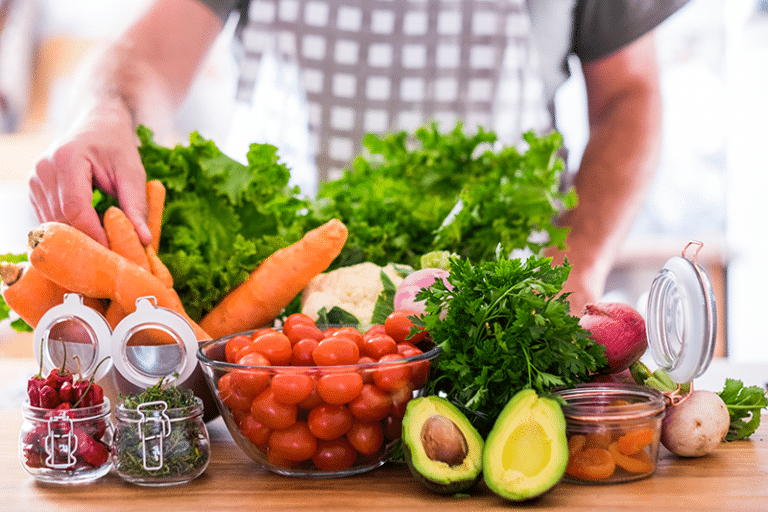
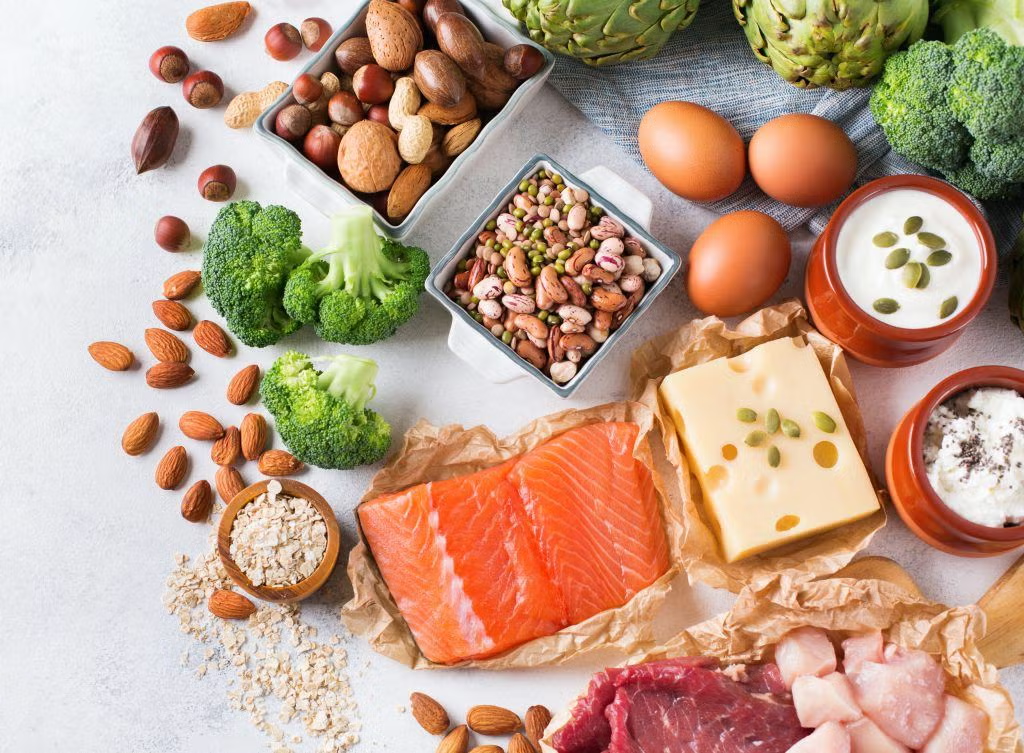
Swap processed snacks for nutrient-dense options like veggies and lean proteins. Portion control helps without feeling restricted—use smaller plates as a simple trick. Hydration plays a big role too; sometimes thirst masquerades as hunger.
Incorporating Exercise Wisely
Mix cardio with strength training, starting with 30 minutes a day. Walking briskly or yoga can be just as effective as high-intensity workouts. Find what lights you up to avoid burnout.
Comparison: Rapid vs. Slow Weight Loss
Here’s a side-by-side look at the two approaches to help you see the differences clearly.
| Aspect | Rapid Weight Loss | Slow Weight Loss |
|---|---|---|
| Weekly Loss | 3+ pounds | 1-2 pounds |
| Muscle Preservation | Poor—high loss | Good—minimal loss |
| Metabolism Impact | Slows down significantly | Maintains or improves |
| Sustainability | Low—high regain risk | High—lasting habits |
| Health Risks | Gallstones, fatigue, nutrient gaps | Minimal when balanced |
| Emotional Effects | Stressful, demotivating | Empowering, positive |
This table draws from expert insights, showing why slow often wins the race.
Pros and Cons of Popular Weight Loss Methods
Not all paths are equal—let’s weigh the ups and downs of a few common ones.
Crash Diets
Pros:
- Quick visible results.
- Simple rules to follow initially.
Cons:
- Unsustainable, leading to rebound gain.
- Risk of nutrient deficiencies and health issues.
- Often ignores lifestyle factors.
Balanced Meal Plans
Pros:
- Promotes variety and nutrition.
- Builds long-term skills.
- Flexible for real life.
Cons:
- Requires planning upfront.
- Slower results may test patience.
Intermittent Fasting
Pros:
- Can reduce calorie intake naturally.
- May improve insulin sensitivity.
Cons:
- Not suitable for everyone, like those with eating disorders.
- Potential for overeating in eating windows.
Debunking Common Weight Loss Myths
Myths can derail even the best intentions—let’s clear up a few with facts.
- Myth: Carbs are the enemy. Truth: Whole grains provide energy; it’s refined ones to watch.
- Myth: You can spot-reduce fat. Spot training tones muscles but doesn’t target fat loss in one area.
- Myth: Supplements melt fat away. Most are hype; focus on diet and exercise first.
- Myth: Eating at night causes gain. It’s total calories that matter, not timing alone.
People Also Ask
Based on common searches, here are real questions folks ask about not rushing weight loss, with straightforward answers.
Is it bad to lose weight too quickly?
Yes, losing more than 1-2 pounds weekly can lead to muscle loss, gallstones, and a slowed metabolism. Slow progress is safer and more effective long-term.
What is a safe rate of weight loss per week?
Experts recommend 1-2 pounds per week for most people, allowing your body to adjust without risks. This equates to a 500-1,000 calorie daily deficit.
Why is slow weight loss better than fast?
Slow loss preserves muscle, reduces regain chances, and builds habits that stick. It’s less stressful on your body and mind.
What are the dangers of rapid weight loss?
From dehydration and hair loss to serious issues like heart arrhythmias, quick fixes can harm more than help. Always consult a doctor first.
How can I lose weight sustainably?
Focus on balanced meals, regular activity, and mindset shifts. Track progress holistically, not just by the scale.
Best Tools for Sustainable Weight Loss
If you’re ready to invest in your journey, here are top picks for apps and resources that promote healthy habits over quick fixes.
- MyFitnessPal: Great for tracking calories and macros without obsession. Free version is solid; premium adds custom plans.
- Noom: Psychology-based, helps with mindset. Best for those needing behavioral coaching.
- Lose It!: User-friendly for goal setting and community support. Integrates with wearables.
- WW (Weight Watchers): Points system encourages balance. App includes recipes and virtual meetings.
For physical tools, consider a food scale or fitness tracker like Fitbit to monitor steps without overdoing it.
Where to Get Professional Help
Sometimes, DIY isn’t enough—seek experts for personalized guidance.
- Visit registered dietitians via sites like EatRight.org for tailored plans.
- Check local gyms or hospitals for weight management programs, like those at Mayo Clinic.
- Online platforms like Teladoc offer virtual consultations with nutritionists.
- For internal resources, explore our guide on finding a nutrition coach.
Incorporating Mindfulness into Your Routine
Mindful eating can transform how you approach food—slow down, savor each bite, and listen to hunger cues. I started this after a stressful period where I ate on autopilot, and it changed everything. No more mindless snacking; just intentional choices that feel good.
Journaling for Accountability
Keep a daily log of meals, moods, and movement. It highlights patterns without judgment. Over time, you’ll spot triggers and celebrate progress.
Stress Management Techniques
High stress spikes cortisol, hindering loss—try meditation apps like Calm. A quick 10-minute session can reset your day.
Nutrition Basics for Lasting Change
Fuel your body with whole foods: veggies, fruits, proteins, and healthy fats. Aim for colorful plates to ensure variety. Skip the all-or-nothing mindset; one treat won’t derail you.
Hydration’s Role
Drink at least 8 glasses daily—more if active. Herbal teas count too, adding flavor without calories. Dehydration often mimics hunger, so sip first.
Protein Power
Include lean sources like chicken, beans, or tofu in every meal. It keeps you full longer, supporting muscle maintenance.
Exercise Ideas That Don’t Feel Like Work
Movement should be fun—dance in your living room or hike with friends. Aim for 150 minutes weekly, mixing it up to stay engaged.
Home Workouts
Bodyweight exercises like squats and planks build strength without gear. Apps guide you through routines.
Outdoor Activities
Cycling or swimming burns calories while enjoying nature. It’s therapeutic, boosting mood alongside fitness.
Tracking Progress Beyond the Scale
Numbers don’t tell the whole story—measure waist, energy levels, or how clothes fit. Photos can motivate when the scale stalls.
Non-Scale Victories
Fitting into old jeans or climbing stairs without huffing—these wins keep momentum going. Celebrate them!
Adjusting as You Go
If progress slows, tweak calories or activity slightly. Consult pros if needed; plateaus are normal.
The Science Behind Sustainable Loss
Research backs gradual approaches: A study showed slow losers retained more muscle and less fat regain. Hormones like leptin stabilize better without crashes.
Role of Sleep
Aim for 7-9 hours nightly—poor sleep disrupts hunger hormones. Create a wind-down routine for better rest.
Gut Health Connection
Probiotics from yogurt or fermented foods aid digestion and weight management. A healthy gut means better nutrient absorption.
Overcoming Common Obstacles
Plateaus happen—don’t panic. Reassess habits, maybe add variety to meals or workouts. Persistence pays off.
Dealing with Cravings
Have healthy swaps ready, like fruit for sweets. Sometimes, a small indulgence curbs bigger binges.
Social Situations
At parties, eat beforehand and choose wisely. Focus on people, not food—it’s about balance.
Long-Term Maintenance Strategies
Once at your goal, maintain with the same habits. Regular check-ins prevent creep-back.
Building a Support Network
Share goals with friends or join online communities. Accountability makes it easier and more fun.
Periodic Reassessments
Every few months, evaluate and adjust. Life changes, so should your plan.
Wrapping up, remember my early mishaps? They taught me that rushing leads to regret, but embracing the slow burn brings real freedom. You’ve got this—one step at a time. For more on balanced diets, check our healthy eating basics. And if you’re curious about expert views, head to Harvard Health.
FAQ
How long does it take to see sustainable weight loss results?
Typically, noticeable changes appear in 4-6 weeks with consistent effort. Focus on habits, not timelines, for lasting success.
Can I lose weight without exercising?
Yes, through diet alone, but adding movement boosts results and health. Start small if exercise feels daunting.
What foods should I avoid for weight loss?
Limit sugary drinks, fried foods, and processed snacks. Moderation is key—nothing’s off-limits forever.
Is weight loss different for men and women?
Hormones play a role; women might lose slower due to estrogen. But principles remain the same for all.
How do I stay motivated during slow weight loss?
Set mini-goals, track wins, and remind yourself why you started. A support buddy helps too.
(Word count: 2,756)