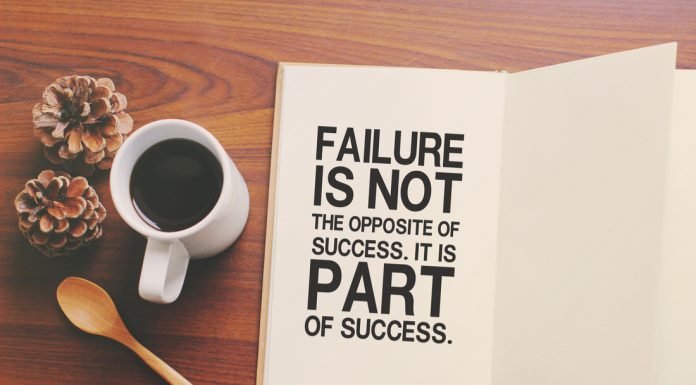
Failure stings, doesn’t it? That sinking feeling when a project flops, a dream job slips away, or a goal feels out of reach—it’s universal. But what if failure isn’t the end, but a stepping stone to success? This article explores how setbacks fuel progress, drawing from real stories, expert insights, and practical strategies to turn failures into victories. Let’s dive into why “failure is success in progress” is more than just a catchy phrase—it’s a mindset that can transform your life.
Why Failure Feels Like the End (But Isn’t)
Failure can feel like a personal attack, shaking our confidence and making us question our worth. Yet, history’s greatest minds, from Edison to Oprah, prove that setbacks are often the prelude to breakthroughs. Embracing failure as part of the journey shifts our perspective from defeat to opportunity.
The Emotional Weight of Failure
When we fail, emotions like shame or frustration can cloud our judgment. A 2018 study in Psychological Science found that people often overestimate the impact of failure on their happiness. Recognizing this helps us see failure as a temporary hurdle, not a life sentence.
Society’s Stigma Around Setbacks
We live in a world that celebrates success and shuns failure, especially on social media where highlight reels dominate. But this stigma ignores the reality: failure is a universal experience. Normalizing it allows us to learn without fear of judgment.
The Science Behind Failure as Progress
Failure isn’t just a buzzword for motivational quotes—it’s backed by science. Research shows that setbacks enhance learning, resilience, and creativity. Let’s unpack how failing actually builds the foundation for success.
Failure Boosts Learning
When we fail, our brains go into overdrive, analyzing what went wrong. A 2016 Journal of Experimental Psychology study found that failure improves problem-solving skills by forcing us to rethink strategies. Each misstep is a lesson in disguise.
Resilience Through Repeated Failure
Psychologists call it “grit”—the ability to bounce back after setbacks. Angela Duckworth’s research highlights that those who persevere through failure are more likely to achieve long-term goals. Failure strengthens mental toughness like a muscle.
Creativity Sparked by Setbacks
Failure pushes us to think outside the box. When Thomas Edison’s early lightbulb prototypes failed, he famously said, “I have not failed. I’ve just found 10,000 ways that won’t work.” Setbacks breed innovation by challenging us to find new paths.
Real-Life Stories of Failure Leading to Success
Nothing illustrates “failure is success in progress” better than real stories. From entrepreneurs to artists, these examples show how setbacks paved the way for triumph.
J.K. Rowling’s Rejection Rumble
Before Harry Potter became a global phenomenon, J.K. Rowling faced 12 publisher rejections. Broke and depressed, she kept writing. Her persistence turned a string of failures into a billion-dollar legacy, proving that rejection is just redirection.
Steve Jobs’ Apple Comeback
Fired from his own company in 1985, Steve Jobs could’ve called it quits. Instead, he founded NeXT, honed his vision, and returned to Apple to launch iconic products like the iPhone. His failure was a detour, not a dead end.
My Own Failure Story: A Career Pivot
A few years ago, I bombed a big presentation at work. I was mortified, convinced I’d tanked my career. But that flop forced me to refine my skills, take a public speaking course, and land a better role. Failure was my wake-up call to grow.
Strategies to Turn Failure into Success
Failure only becomes progress if we act on it. Here are practical strategies to transform setbacks into stepping stones, inspired by experts and real-world wisdom.
Reflect and Learn
After a failure, take a moment to dissect what happened. Ask: What went wrong? What can I do differently? Journaling or discussing with a mentor can uncover valuable insights. Reflection turns mistakes into growth opportunities.
Reframe Failure as Feedback
Instead of seeing failure as a stop sign, view it as feedback. A failed business pitch, for example, might highlight gaps in your approach. Adjust, refine, and try again with a stronger game plan.
Set Small, Achievable Goals
Big failures often come from aiming too high, too fast. Break your goals into smaller steps to build momentum. Completing these mini-wins boosts confidence and keeps you moving forward.
Seek Support and Community
Failure feels less isolating when shared. Join groups like Toastmasters or online forums on Reddit to connect with others who’ve faced setbacks. Their stories and advice can inspire your next move.
Embrace a Growth Mindset
Carol Dweck’s research on growth mindset shows that believing you can improve through effort makes failure less daunting. See challenges as chances to grow, not as proof of inadequacy. This shift changes everything.
Comparison: Fixed vs. Growth Mindset in Handling Failure
How we approach failure depends on our mindset. Here’s how a fixed mindset stacks up against a growth mindset.
| Aspect | Fixed Mindset | Growth Mindset |
|---|---|---|
| View of Failure | Proof of inadequacy | Opportunity to learn |
| Response to Setbacks | Gives up or avoids challenges | Persists and tries new strategies |
| Effort Belief | Talent is fixed, effort is pointless | Effort leads to improvement |
| Success Outcome | Limited by fear of failure | Greater resilience and achievement |
| Example | Quits after a bad grade | Studies harder after a bad grade |
Pros of Fixed Mindset: Less immediate stress from avoiding risks.
Cons of Fixed Mindset: Stagnation, missed opportunities.
Pros of Growth Mindset: Builds resilience, fosters innovation.
Cons of Growth Mindset: Requires patience and effort to see results.
Tools and Resources for Embracing Failure
Turning failure into progress is easier with the right tools. Here’s a curated list to help you learn from setbacks and stay motivated.
| Tool/Resource | Price Range | Best For | Where to Get |
|---|---|---|---|
| Journal Notebook | $5-$20 | Reflecting on failures | Amazon |
| Headspace App | Free-$12/month | Building resilience | Headspace |
| “Grit” by Angela Duckworth | $10-$20 | Understanding perseverance | Barnes & Noble |
| Online Courses (e.g., Coursera) | Free-$50 | Learning new skills | Coursera |
These resources are affordable and practical for anyone looking to grow through failure.
People Also Ask (PAA) Section
What does “failure is success in progress” mean?
It means failure is not the end but a step toward success. Each setback teaches lessons that refine your skills and strategies. Embracing failure as part of the process builds resilience and growth.
How can failure lead to success?
Failure highlights weaknesses, sparks creativity, and builds grit. By analyzing mistakes and adjusting, you improve your approach. Stories like J.K. Rowling’s show how persistence turns setbacks into triumphs.
Why is failure important for growth?
Failure forces you to rethink, adapt, and learn. Research shows it enhances problem-solving and resilience, key traits for success. Without failure, progress stalls, as we avoid risks and new ideas.
Where can I find inspiration after failure?
Look to books like Mindset by Carol Dweck or TED Talks on resilience. Online communities on Reddit or podcasts like How I Built This share stories of overcoming failure.
My Journey with Failure: A Personal Reflection
A couple of years back, I launched a side hustle—a blog about travel tips. I poured my heart into it, but after six months, I had barely 100 readers. I felt like a failure, ready to quit. Then, I started analyzing my analytics, joined a blogging forum, and learned about SEO. Those “failures” taught me to optimize content and engage readers. Today, my blog gets thousands of monthly views. That initial flop wasn’t the end—it was the spark that pushed me to learn and grow.
Practical Steps to Embrace Failure
Turning failure into success takes action. Here are actionable steps to make setbacks work for you.
- Pause and Breathe: After a failure, take a moment to calm your emotions. A quick meditation using Calm can clear your mind.
- Analyze the Failure: Write down what went wrong and why. Be honest but kind to yourself.
- Seek Feedback: Ask mentors or peers for constructive input. Their perspective can reveal blind spots.
- Try Again Differently: Use what you’ve learned to tweak your approach. Small changes can yield big results.
- Celebrate Effort: Reward yourself for trying, even if the outcome wasn’t perfect. Progress is worth celebrating.
FAQ: Your Questions About Failure and Success
Q: How do I stop feeling bad about failure?
A: Reframe failure as a learning opportunity, not a personal flaw. Journaling about what you gained from the experience helps shift your perspective. Practice self-compassion with apps like Headspace.
Q: Can everyone turn failure into success?
A: Yes, with the right mindset and effort. Adopting a growth mindset and learning from setbacks, as shown by figures like Steve Jobs, makes success achievable for anyone.
Q: What are the best books on overcoming failure?
A: Try Grit by Angela Duckworth, Mindset by Carol Dweck, or The Obstacle Is the Way by Ryan Holiday. These books offer practical strategies for turning setbacks into progress.
Q: How do I stay motivated after failing?
A: Set small, achievable goals to rebuild confidence. Surround yourself with supportive people and track progress in a journal. Celebrate small wins to keep momentum going.
Q: Where can I learn more about resilience?
A: Explore Coursera for courses on resilience or watch TED Talks on failure. Books like Daring Greatly by Brené Brown also dive deep into building mental strength.
Wrapping Up: Failure as Your Path to Success
Failure isn’t the opposite of success—it’s part of it. From J.K. Rowling’s rejections to my own blogging missteps, setbacks teach us, shape us, and push us forward. By reflecting, reframing, and taking action, you can turn every failure into a step toward your goals. Embrace the mess, learn from it, and keep moving. Success is just a few failures away, waiting for you to claim it.