The coronavirus lockdown turned our lives upside down, didn’t it? Gyms shuttered, parks closed, and suddenly, our living rooms became our fitness hubs. But staying active during those challenging times wasn’t just about keeping our bodies in shape—it was a lifeline for mental health, routine, and a sense of normalcy. This article dives into effective home workout routines to help you stay fit, energized, and sane, drawing from real experiences and expert insights to guide you through.
Why Staying Active During Lockdown Matters
Lockdowns forced us to rethink fitness, with gyms and outdoor spaces off-limits. Research shows that physical activity dropped significantly during the pandemic, yet staying active was crucial for combating stress, anxiety, and even the risk of severe COVID-19 outcomes. This section explores why movement was a game-changer and how you can make it work at home.
Physical and Mental Health Benefits
Exercise isn’t just about toned muscles—it’s a mood booster and immune system supporter. Studies from 2020 highlight that regular activity can reduce depression and improve overall well-being, which was vital during isolating times. Even a quick workout could shift your mindset from cabin fever to feeling empowered.
Challenges of Home Workouts
No gym equipment? Limited space? Motivation in the gutter? You’re not alone. Many struggled with the lack of structure and camaraderie from gyms, but creative solutions like bodyweight exercises and online classes saved the day. The key was finding routines that fit your space and vibe.
Bodyweight Workouts: No Equipment, No Excuses
When the world locked down, bodyweight exercises became the hero of home fitness. They’re simple, effective, and require nothing but your own body. Let’s break down some killer routines that kept us moving.
Push-Ups for Upper Body Strength
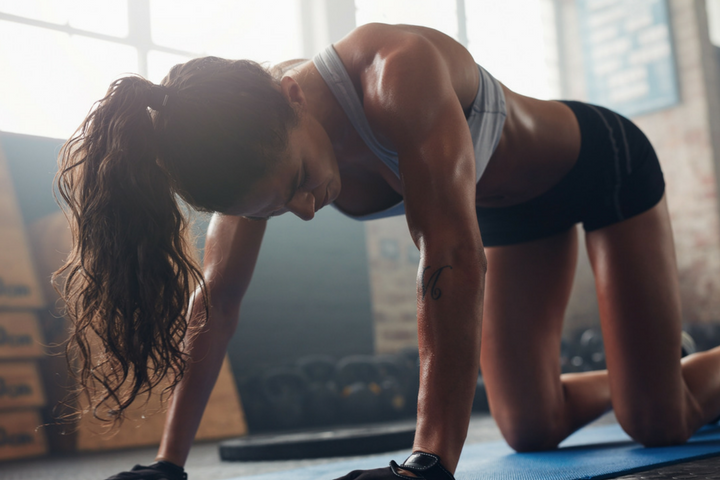
Push-ups are a classic for a reason—they target your chest, shoulders, and core. Start with standard push-ups or modify with knee push-ups if you’re new. Aim for 3 sets of 10-15 reps, and feel the burn
Squats for Lower Body Power
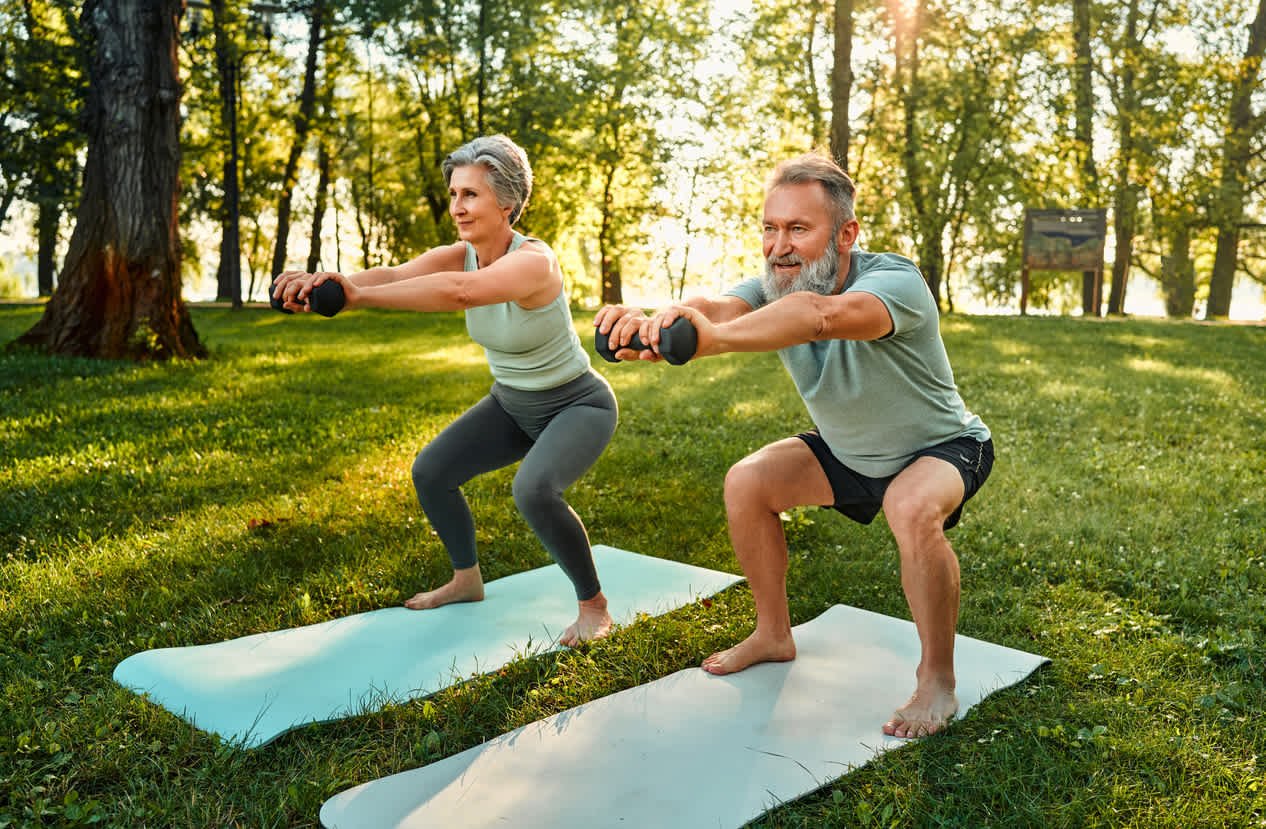
Squats build strong legs and glutes without needing weights. Stand with feet shoulder-width apart, lower your hips, and keep your chest up. Try 3 sets of 12-15 reps, and add a pause at the bottom for extra intensity.
Planks for Core Stability
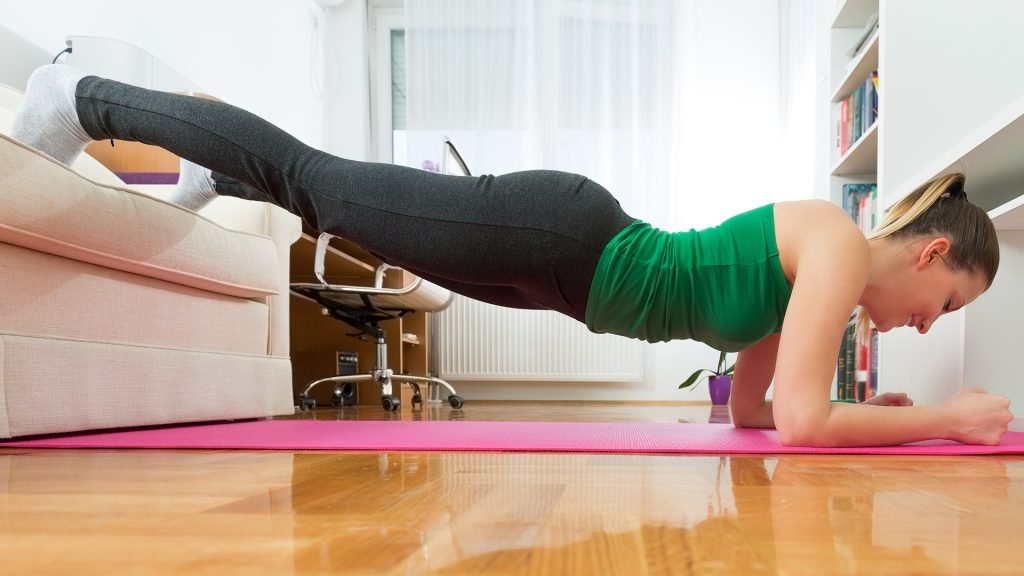
Planks are a full-body workout, strengthening your core and improving posture. Hold a plank for 30-60 seconds, keeping your body straight like a board. Repeat 3 times, and you’ll feel your abs working overtime.
Burpees for Cardio Blast
Burpees are the ultimate high-intensity move, combining a squat, plank, and jump. They spike your heart rate and build endurance. Start with 3 sets of 8-10 reps, and don’t curse me when you’re sweating buckets
Yoga and Meditation: Finding Zen at Home
When lockdown stress hit hard, yoga and meditation became go-to practices for many. Participants in a 2020 study reported switching to yoga for its calming effects, and it’s no wonder—it’s a perfect blend of movement and mindfulness.
Morning Power Yoga Flow
A 20-minute power yoga session can kickstart your day with energy. Follow a sequence like Sun Salutations, focusing on deep breaths and smooth transitions. Online videos on YouTube make it easy to follow along.
Evening Meditation for Relaxation
End your day with a 10-minute guided meditation to ease lockdown anxiety. Apps like Calm or free YouTube sessions can guide you to focus on your breath and let stress melt away. It’s like a mental reset button.
High-Intensity Interval Training (HIIT): Maximum Results, Minimum Time
HIIT workouts exploded in popularity during the lockdown because they’re quick and torch calories. You don’t need much space or time—just a willingness to push hard. Here’s how to make HIIT work for you.
20-Minute HIIT Routine
Alternate 30 seconds of intense exercise (like jumping jacks) with 15 seconds of rest for 20 minutes. Mix in moves like mountain climbers and high knees for variety. It’s short, sweet, and leaves you feeling unstoppable.
Benefits of HIIT for Lockdown Fitness
HIIT boosts cardiovascular health and burns fat in less time than traditional workouts. Studies show it’s ideal for maintaining fitness when you’re stuck indoors. Plus, it’s fun to feel like a superhero in your living room
Creative Household Item Workouts
No dumbbells? No problem. Lockdown taught us to get creative with household items. From water bottles to backpacks, everyday objects became gym equipment.
Water Bottle Weights
Fill two large water bottles for makeshift dumbbells. Use them for bicep curls or shoulder presses, aiming for 3 sets of 12 reps. It’s surprisingly effective and keeps things budget-friendly.
Chair Dips for Triceps
Grab a sturdy chair for tricep dips. Sit on the edge, place your hands beside you, and lower your body until your elbows hit 90 degrees. Do 3 sets of 10-12 reps for toned arms.
Backpack Squats for Added Resistance
Load a backpack with books and wear it for weighted squats. Perform 3 sets of 15 reps, keeping your form tight. It’s a simple way to level up your workout without buying equipment.
Sample Weekly Workout Plan
A structured plan keeps you consistent. Here’s a sample week to balance strength, cardio, and flexibility, tailored for lockdown life.
| Day | Workout Type | Duration | Focus |
|---|---|---|---|
| Monday | Bodyweight Circuit | 30 min | Full-body strength |
| Tuesday | HIIT | 20 min | Cardio & endurance |
| Wednesday | Yoga | 25 min | Flexibility & calm |
| Thursday | Household Item Workout | 30 min | Strength & creativity |
| Friday | HIIT | 20 min | Cardio & fat burn |
| Saturday | Bodyweight Circuit | 30 min | Full-body strength |
| Sunday | Rest or Light Walk | 15-30 min | Recovery |
This plan mixes intensity and recovery, keeping you engaged without burnout. Adjust based on your energy levels and schedule.
Comparison: Bodyweight vs. Equipment-Based Home Workouts
Wondering whether to stick with bodyweight or invest in gear? Here’s a breakdown to help you decide.
| Aspect | Bodyweight Workouts | Equipment-Based Workouts |
|---|---|---|
| Cost | Free | $20-$500 (e.g., dumbbells, resistance bands) |
| Space Needed | Minimal (living room floor) | Moderate (room for equipment) |
| Versatility | Limited to body resistance | More exercise variety |
| Ease of Use | Simple, no setup needed | Requires setup and storage |
| Effectiveness | High for beginners, moderate for advanced | High for all levels |
Pros of Bodyweight: No cost, accessible, great for small spaces.
Cons of Bodyweight: Limited progression for advanced fitness levels.
Pros of Equipment: More variety, scalable resistance.
Cons of Equipment: Costly, requires storage space.
Online Resources and Apps for Home Workouts
The lockdown saw a boom in online fitness platforms, from YouTube to apps like Peloton. These tools made staying active accessible and fun.
Free YouTube Channels
Channels like Joe Wicks’ The Body Coach offered daily workouts that got millions moving. His 30-minute PE sessions were perfect for all ages. Check out his channel for high-energy, no-equipment routines.
Fitness Apps to Try
Apps like Nike Training Club and Peloton offered free workouts during the lockdown. They provide guided sessions, from yoga to HIIT, with progress tracking to keep you motivated.
Live-Streamed Classes
Gyms like Retro Fitness streamed free classes on Facebook, fostering a sense of community. These live sessions mimicked the gym vibe, keeping you accountable.
People Also Ask (PAA) Section
How can I stay motivated to work out at home?
Set specific goals, like “do 20 push-ups daily,” and track progress with a journal or app. Schedule workouts like appointments and reward yourself for consistency. Music and online communities can also keep you pumped.
What are the best no-equipment workouts for beginners?
Start with bodyweight moves like squats, push-ups, and planks. Follow a 20-minute circuit with 3 sets of 10-12 reps each. Free YouTube tutorials, like those from Fitness Blender, guide beginners perfectly.
Can I stay fit without a gym during lockdown?
Absolutely! Bodyweight exercises, yoga, and HIIT keep you fit without equipment. Use household items for resistance and follow online classes for structure. Consistency is key to seeing results.
How much exercise should I do during lockdown?
The American College of Sports Medicine recommends 150-300 minutes of moderate aerobic exercise weekly, plus two strength sessions. Break it into 20-30 minute daily workouts for manageability.
Tips to Stay Consistent and Motivated
Lockdown life tested our discipline, but small tricks made a big difference. Here’s how to stick with your routine when motivation wanes.
- Set a Schedule: Treat workouts like a non-negotiable meeting. Morning sessions often work best to set a positive tone.
- Create a Dedicated Space: Clear a corner for your workouts. A yoga mat and some music can make it inviting.
- Involve Family or Friends: Get kids or roommates involved for fun, like dance-offs or push-up challenges.
- Track Progress: Use a journal or app to log workouts. Seeing progress, like holding a plank longer, feels rewarding.
- Mix It Up: Alternate between HIIT, yoga, and strength to avoid boredom. Variety keeps things fresh.
My Lockdown Fitness Journey: A Personal Story
When the lockdown hit, I was a gym rat missing my weights and spin classes. The first week, I moped, scrolling social media instead of moving. But then I stumbled on Joe Wicks’ YouTube workouts, and something clicked. His goofy energy got me off the couch, doing burpees in my tiny apartment. I used water jugs for weights and turned my coffee table into a step-up platform. By week three, I felt stronger—not just physically, but mentally. Exercise became my daily escape from the news cycle. If I can do it, so can you. Find what sparks joy and make it a habit.
Best Tools for Home Workouts
While bodyweight exercises are great, a few affordable tools can elevate your routine. Here’s a curated list of the best tools for lockdown fitness.
| Tool | Price Range | Best For | Where to Buy |
|---|---|---|---|
| Resistance Bands | $10-$30 | Strength & flexibility | Amazon |
| Yoga Mat | $15-$40 | Yoga, floor exercises | Target |
| Jump Rope | $8-$20 | Cardio & coordination | Walmart |
| Adjustable Dumbbells | $50-$200 | Strength training | Dick’s Sporting Goods |
These tools are compact, budget-friendly, and perfect for small spaces.
FAQ: Your Lockdown Fitness Questions Answered
Q: How do I start a home workout routine as a beginner?
A: Begin with simple bodyweight exercises like squats and push-ups, aiming for 15-20 minutes daily. Follow free online videos for guidance and gradually increase intensity. Consistency beats perfection.
Q: What if I don’t have space for workouts?
A: You only need a yoga mat-sized area. Try exercises like wall push-ups or chair dips. Apps like Nike Training Club offer space-saving routines.
Q: Can home workouts replace the gym?
A: Yes, with the right plan. Combine bodyweight, HIIT, and household item workouts for full-body fitness. Online classes add structure, mimicking gym vibes.
Q: How do I avoid burnout during lockdown workouts?
A: Mix workout types, take rest days, and listen to your body. Set realistic goals and celebrate small wins to stay motivated without overdoing it.
Q: Are free workout apps effective?
A: Absolutely. Apps like Nike Training Club and YouTube channels like Yoga With Adriene offer high-quality, guided workouts for all levels, often for free.
Wrapping It Up: Your Path to Lockdown Fitness
The coronavirus lockdown challenged us to rethink fitness, but it also proved we don’t need a gym to stay active. From bodyweight circuits to yoga flows, there’s a routine for every space and schedule. My own journey showed me that a little creativity—like turning water bottles into weights—can go a long way. Embrace the resources around you, set small goals, and make movement a daily habit. You’ve got this, and your body and mind will thank you.