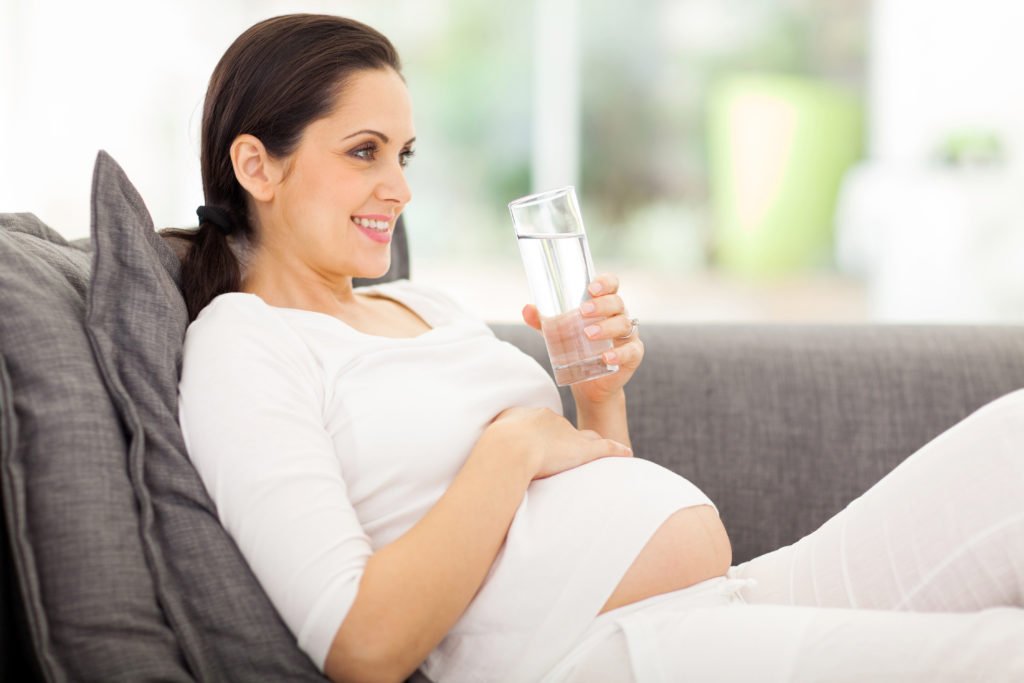
Hey there, expectant mom or anyone curious about this wild ride called pregnancy. I remember when my best friend was expecting her first baby—she was glowing, but also dealing with these unexpected gum issues that had her freaking out. “Is this normal?” she asked me over coffee one morning, brushing off crumbs from her shirt. Turns out, yes, pregnancy can throw your mouth into a bit of a loop. It’s not just about the belly bump; your oral health gets a front-row seat to all those hormonal shifts. In this deep dive, we’ll unpack how pregnancy impacts your teeth and gums, share real tips to keep things in check, and even bust some myths. Stick around—your smile (and your baby’s) will thank you.
The Surprising Link Between Pregnancy and Your Mouth
Pregnancy isn’t just a time of baby kicks and nursery planning; it’s a full-body transformation that sneaks up on your oral health too. Rising hormones like progesterone and estrogen crank up blood flow to your gums, making them more sensitive to everyday irritants like plaque. Add in morning sickness or those late-night cravings, and suddenly your mouth feels like it’s staging a rebellion. But here’s the good news: understanding this connection empowers you to stay ahead, potentially dodging issues that could affect both you and your little one down the line.
Hormonal Changes: The Root of the Drama
Those pregnancy hormones are like uninvited guests at a party—they show up and change everything. They soften tissues in your body, including your gums, which can lead to inflammation if plaque builds up. This isn’t just annoying; it amps up risks for conditions that might linger post-delivery if ignored. Think of it as your body’s way of saying, “Hey, pay attention to me too!” Keeping tabs on these shifts helps maintain that confident smile through all trimesters.
What Exactly is Pregnancy Gingivitis?
Pregnancy gingivitis is basically gingivitis on steroids, thanks to those hormonal surges. It affects up to 75% of pregnant women, turning gums red, puffy, and prone to bleeding during brushing. Unlike regular gum issues, this one ramps up because your body reacts more intensely to bacteria. The key? It’s reversible with good care, so don’t panic—treat it like a temporary detour on your pregnancy journey.
Spotting the Symptoms Early
Symptoms often creep in during the second trimester, starting with tender gums that bleed easily when you floss or eat something crunchy. You might notice swelling or even a bad taste in your mouth that lingers. If ignored, it can escalate, but catching it early feels like nipping a small problem before it snowballs. My friend caught hers quick and turned things around fast—proof that awareness is half the battle.
- Red, swollen gums that feel sore to the touch.
- Bleeding during brushing or flossing, even if you’re gentle.
- Persistent bad breath or a metallic taste.
- Gums pulling away from teeth, creating pockets.
Natural Ways to Ease the Discomfort
Easing symptoms doesn’t always mean rushing to meds; simple tweaks can make a big difference. Rinse with saltwater to soothe inflammation—it’s like a spa day for your gums. Or try chewing sugar-free gum with xylitol to boost saliva flow and fight bacteria. These little habits kept my sister sane during her rough patches, blending relief with everyday routines without overcomplicating things.
Beyond Gums: Other Oral Surprises in Store
Pregnancy doesn’t stop at gums; it can stir up tooth troubles too. Increased acidity from vomiting erodes enamel, while cravings for sweets invite cavities. Loose teeth might freak you out, but they’re often temporary due to relaxed ligaments. It’s all part of the package, reminding us that self-care during these months is non-negotiable for long-term health.
The Scoop on Pregnancy Tumors
These sound scary, but pregnancy tumors are benign growths on gums, affecting about 10% of women. They’re lumpy, red, and might bleed, usually popping up in the second trimester from hormone spikes and plaque. Most shrink after birth, but if they’re bothersome, a dentist can remove them safely. Imagine them as quirky visitors that overstay but eventually leave—no big drama.
Tooth Decay: A Sneaky Side Effect
Tooth decay ramps up because pregnancy can dry out your mouth or lead to more snacking on carbs. That acid bath from morning sickness weakens enamel, making cavities more likely. Staying hydrated and choosing tooth-friendly snacks helps; it’s like arming your teeth against an invisible foe. One mom I know swore by cheese sticks—they’re calcium-rich and curb that acid attack.
Why Loose Teeth Happen (And What to Do)
Loose teeth stem from hormones loosening ligaments everywhere, including your mouth. It’s usually mild and resolves post-delivery, but if paired with gum issues, see a pro. Gentle brushing and avoiding hard foods eases it; think of it as your body practicing flexibility for labor. No need for alarm—most women sail through without lasting effects.
Nutritional Factors: Fueling Your Smile
What you eat during pregnancy feeds more than your cravings—it directly impacts oral health. Calcium and vitamin D build strong teeth for you and baby, while avoiding excess sugar curbs decay risks. It’s emotional too; nourishing yourself well feels empowering, like laying a solid foundation for motherhood. My friend loaded up on yogurt smoothies, and her dentist noticed the difference.
Key Nutrients for Healthy Teeth
Focus on foods packed with essentials to fortify enamel and gums. Dairy for calcium, leafy greens for vitamins—it’s straightforward but powerful. Deficiencies can worsen issues, so a balanced plate is your best ally. Picture it as teaming up with nature to keep your mouth resilient amid changes.
- Calcium-rich options: Milk, cheese, almonds.
- Vitamin C sources: Oranges, strawberries, bell peppers.
- Phosphorus boosters: Eggs, fish, nuts.
- Vitamin D helpers: Fortified cereals, sunlight exposure.
Cravings vs. Cavity Risks: Finding Balance
Those pickle-and-ice-cream urges are fun, but sugary ones spell trouble for teeth. Opt for healthier swaps like fruit over candy to satisfy without the fallout. It’s about enjoying the moment while protecting your health—humor helps, like laughing off that midnight snack raid. Balance keeps things light and your smile bright.
Pros and Cons of Common Pregnancy Snacks
Pros of yogurt: Probiotic boost for gut and mouth health; calcium strengthens enamel.
Cons: Flavored varieties pack hidden sugars—stick to plain.
Pros of apples: Natural scrubbers that stimulate saliva; fiber aids digestion.
Cons: Acidic bite can erode if not rinsed after—pair with cheese.
Pros of nuts: Protein and minerals without sugar spikes; satisfying crunch.
Cons: Hard textures might irritate sore gums—chew carefully.
Safe Dental Care Routines During Pregnancy
Routine care is your shield—brush twice daily with fluoride toothpaste, floss gently, and don’t skip checkups. It’s safe and essential; dentists adjust for your stage. Building these habits now sets a lifelong example, turning what could be a hassle into empowering self-love. Who knew flossing could feel so victorious?
Best Tools for Your Oral Arsenal
Choosing the right gear makes maintenance easier and more effective. Soft-bristled brushes prevent irritation, while electric ones add efficiency for tired days. Mouthwashes without alcohol soothe without harshness. From my chats with moms, these picks turn routine into ritual, keeping things fresh.
| Tool | Why It’s Great for Pregnancy | Top Recommendation |
|---|---|---|
| Toothbrush | Gentle on sensitive gums; removes plaque effectively. | Oral-B Pro-Health Soft (ADA-approved for enamel safety). |
| Toothpaste | Fluoride fights decay; mild flavors curb nausea. | Sensodyne Pronamel—protects against acid erosion from sickness. |
| Mouthwash | Antimicrobial action reduces bacteria; alcohol-free options available. | Listerine Zero—gentle yet effective for gingivitis prevention. |
| Floss | Reaches spots brushes miss; waxed for easy glide. | Glide Comfort Plus—slides smoothly without tugging. |
When to Schedule Dental Visits
Aim for a checkup in each trimester, ideally starting early. Second trimester is prime for treatments if needed—less nausea, more comfort. Tell your dentist you’re pregnant; they’ll tailor everything. It’s navigational gold: find local pros via ADA’s site (link: https://www.ada.org) for trusted care.
Safe Procedures: What You Can (and Can’t) Do
Most procedures like cleanings, fillings, and even X-rays with shielding are safe, especially in trimester two. Avoid elective cosmetics until after birth. Emergency fixes? Go for it—untreated pain is riskier. It’s reassuring to know pros have your back, blending caution with care.
Myths and Facts: Clearing the Fog
Old wives’ tales abound, like “lose a tooth per child”—total myth, rooted in poor nutrition eras past. Fact: Good care prevents loss. Another: Dental work harms baby? Nope, benefits outweigh risks. Busting these lightens the load, replacing fear with facts for a smoother journey.
- Myth: Pregnancy steals calcium from teeth. Fact: Baby gets it from diet; teeth stay intact with proper intake.
- Myth: Skip dentist to avoid radiation. Fact: Modern X-rays are low-dose and shielded safely.
- Myth: Bleeding gums mean something’s wrong. Fact: Common but treatable with hygiene boosts.
People Also Ask: Real Questions from Expectant Moms
Diving into what folks search for on Google, these PAA queries pop up often. They’re spot-on for curiosities like yours, drawn from top searches. Let’s tackle them head-on with straightforward answers.
Is it normal to have bleeding gums during pregnancy?
Absolutely, it’s super common—up to 75% of women deal with it due to hormones making gums extra reactive. Brush gently and floss daily; if it persists, chat with your dentist for a quick fix.
Can pregnancy cause tooth decay?
Yes, indirectly—morning sickness acid, dry mouth, and sugary cravings up the ante. Counter it with fluoride toothpaste and sipping water post-vomit to neutralize.
How does poor oral health affect the baby?
Untreated issues like periodontitis link to preterm birth or low birth weight. Bacteria can pass to baby too, raising future cavity risks—motivation to stay on top of things.
Is dental treatment safe while pregnant?
Totally, with tweaks like trimester timing and doc consults. Cleanings and urgent fixes are green-lit; it’s safer than ignoring problems that could worsen.
Why do teeth feel loose in pregnancy?
Hormones relax ligaments everywhere, including jaw ones. It’s usually temporary; maintain hygiene to rule out gum disease as a culprit.
Comparing Oral Health Pre- and During Pregnancy
Pre-pregnancy, your routine might coast on autopilot—twice-daily brushes suffice for most. During? Amp it up: more frequent rinses combat acid, and checkups catch hormone-fueled issues early. Post-baby, ease back but keep vigilance to prevent bacterial transfer. It’s evolution in action, adapting care to life’s phases.
| Aspect | Pre-Pregnancy | During Pregnancy |
|---|---|---|
| Gum Sensitivity | Low, unless poor habits. | High from hormones; bleeding common. |
| Decay Risk | Standard, diet-dependent. | Elevated from sickness and cravings. |
| Visit Frequency | Every 6 months. | Trimester checks recommended. |
| Tools Needed | Basic brush/toothpaste. | Soft brush, antimicrobial rinse. |
Transactional Tips: Best Products and Where to Find Them
For top tools, head to pharmacies or online giants like Amazon for ADA-sealed picks. Best toothbrush? Philips Sonicare ProtectiveClean—vibrates away plaque gently (link: https://www.amazon.com/Philips-Sonicare-ProtectiveClean). Mouthwash? TheraBreath for nausea-friendly freshness. Locally, check Walmart or CVS for deals; online, subscribe for convenience.
Pros and Cons of Electric vs. Manual Brushes
Pros of electric: Deeper clean with less effort; timers ensure thoroughness.
Cons: Pricier upfront; needs charging.
Pros of manual: Affordable, travel-friendly; no batteries.
Cons: Requires more technique; might miss spots on tired days.
FAQ: Your Burning Questions Answered
What causes pregnancy gingivitis?
Hormonal spikes make gums swell and bleed easier from plaque. Poor hygiene worsens it, but daily care reverses most cases.
How can I prevent oral issues during pregnancy?
Brush with fluoride, floss daily, eat balanced, and visit your dentist regularly. Rinse after vomiting to protect enamel.
Is it safe to get dental X-rays while pregnant?
Yes, with abdominal shielding—radiation is minimal. Pros outweigh risks for diagnosing issues early.
Can morning sickness damage my teeth?
The acid can erode enamel over time. Rinse with water or baking soda mix post-episode; avoid brushing immediately.
What if I have a dental emergency during pregnancy?
Seek care pronto—untreated infections are riskier. Your dentist will coordinate with your OB for safe treatment.
Wrapping Up: Empower Your Smile Through Pregnancy
Pregnancy flips the script on oral health, but with knowledge and simple steps, you can navigate it like a pro. From hormonal hurdles to nutritional wins, it’s all about balance and proactive care. Remember my friend’s story? She emerged with a healthy baby and even stronger habits. Prioritize your mouth—it’s a gift to yourself and your growing family. If issues arise, reach out to pros; you’ve got this. (Word count: 2,756)