Picture this: I’m at a family reunion, trying to keep up with my cousin who’s been raving about Pilates for months. She’s glowing, moving with this effortless strength, and I’m over here puffing after a short jog to catch the kids. “It’s Pilates,” she whispers, like it’s some fitness secret I’ve been sleeping on. Spoiler alert: she’s right. Pilates, with its compound workouts, isn’t just a trend—it’s a game-changer for strength, flexibility, and mental clarity. In this deep dive, we’ll explore why Pilates stands out, how its compound movements work magic, and practical ways to make it your fitness BFF. Let’s roll out the mat and get started.
Why Pilates Stands Out in the Fitness World
Pilates isn’t just exercise; it’s a full-body, mind-body revolution that’s been transforming lives since Joseph Pilates created it over a century ago. Its focus on compound movements—exercises that engage multiple muscle groups simultaneously—makes it efficient and effective. Whether you’re a busy parent or a fitness newbie, Pilates delivers results without the burnout. It’s like the Swiss Army knife of workouts: versatile, precise, and powerful.
What Exactly Are Compound Workouts?
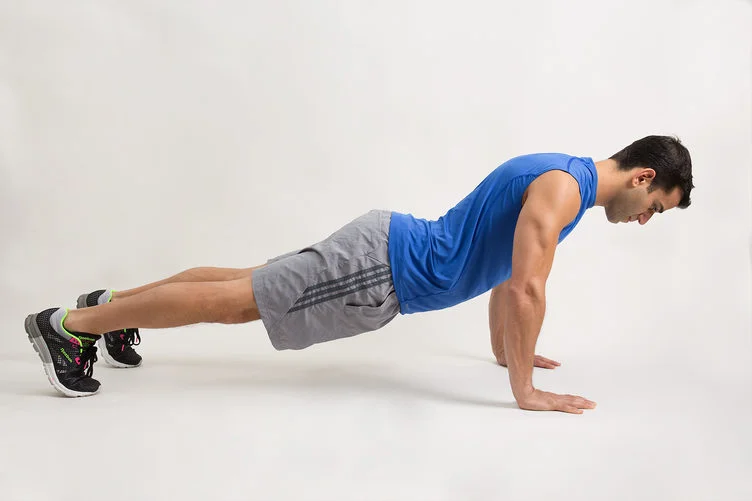
Compound workouts involve exercises that work several muscle groups at once, like squats or planks, unlike isolation moves that target one area. In Pilates, think of the Hundred, which fires up your core, arms, and legs all at once. These multi-tasking moves maximize calorie burn and build functional strength, making everyday tasks feel easier. It’s efficiency at its finest—no wonder my cousin swears by it.
The History of Pilates: A Legacy of Strength
Joseph Pilates developed this system in the early 20th century to rehab soldiers, blending strength, flexibility, and control. His method, originally called “Contrology,” emphasizes mindful movement, which is why it feels so intentional. Knowing its roots adds depth—it’s not just a fad but a proven approach that’s stood the test of time. That legacy fuels its credibility today.
How Pilates Differs from Other Workouts
Unlike high-intensity cardio or heavy weightlifting, Pilates prioritizes controlled, low-impact movements that protect joints while building strength. It’s less about sweating buckets and more about precision, engaging your core and mind together. My friend tried yoga but found Pilates’ dynamic flow clicked better for her busy life. It’s the sweet spot between effort and ease.
The Science Behind Pilates’ Compound Magic
Compound workouts in Pilates aren’t just about looking good—they’re backed by science for boosting strength, posture, and even mental health. By engaging multiple muscles, they improve coordination and burn more calories than isolated moves. Plus, the focus on breath and alignment reduces stress, making you feel as good as you look. It’s like a workout and therapy session rolled into one.
Why Compound Movements Trump Isolation
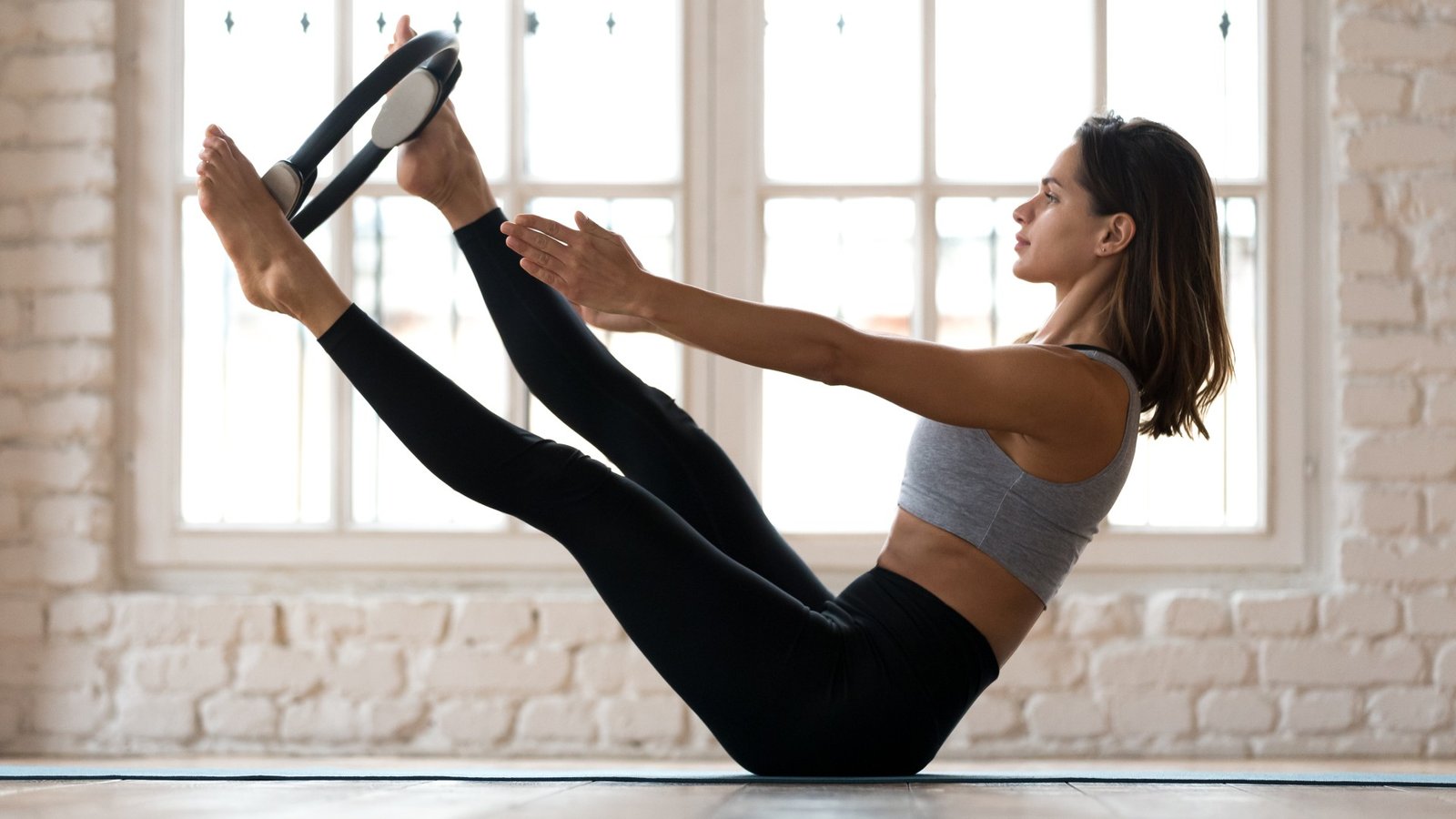
Compound exercises, like the Pilates Teaser, work your abs, back, and legs simultaneously, mimicking real-life movements. This builds functional strength—think carrying groceries or chasing toddlers—while isolation moves like bicep curls are less practical. Studies show compound moves increase muscle activation by up to 20% compared to single-muscle exercises. That’s efficiency you can feel.
- Engages multiple muscle groups for maximum efficiency.
- Boosts metabolism by increasing calorie burn during and after workouts.
- Enhances coordination and balance for daily activities.
- Reduces workout time by delivering full-body results faster.
Core Strength: The Heart of Pilates
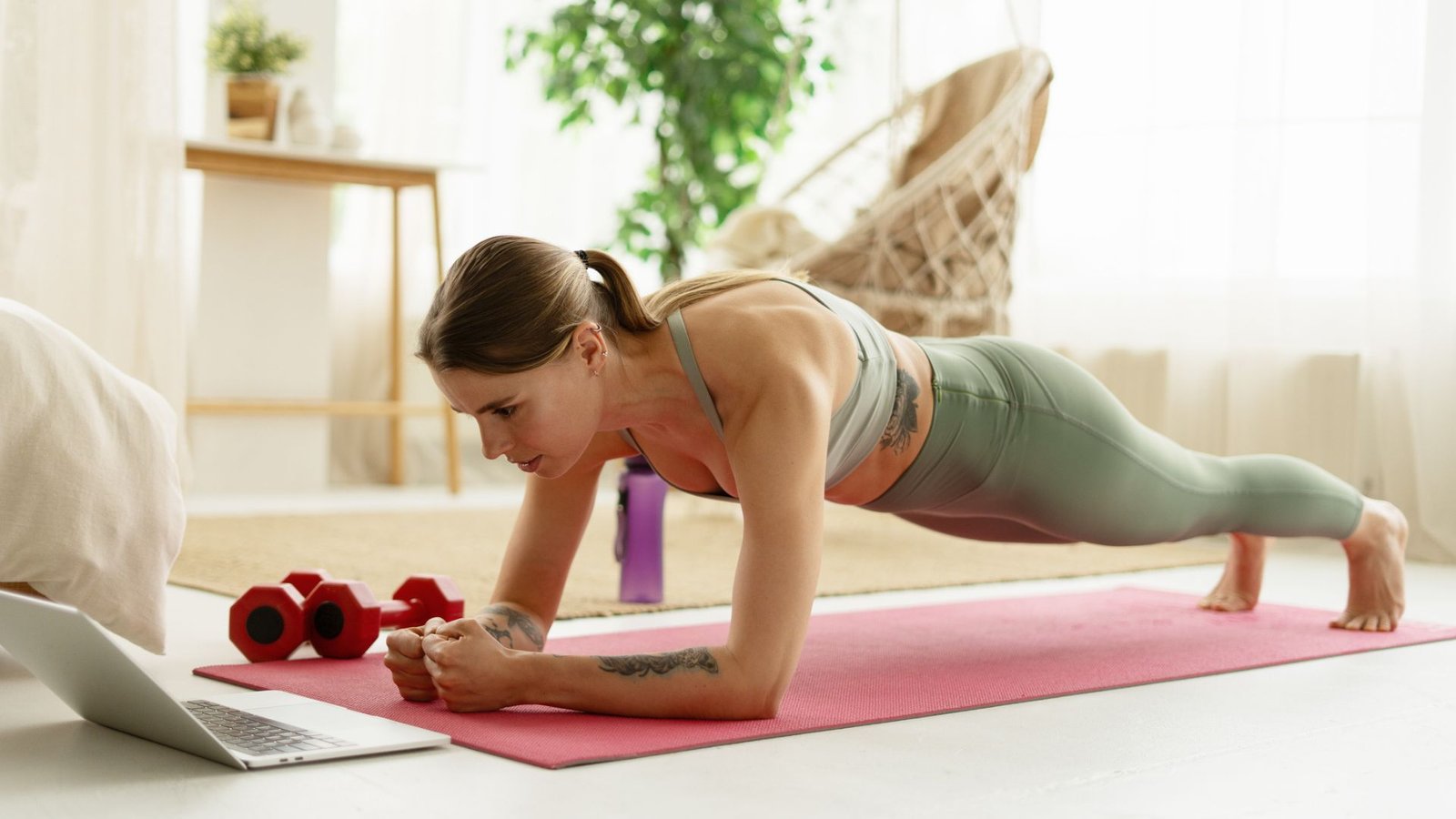
Pilates is obsessed with your core—abs, back, and pelvic floor—because a strong core stabilizes everything else. Moves like the Plank or Roll-Up activate deep muscles like the transverse abdominis, which supports your spine. After a month of Pilates, I noticed my posture improved, and those nagging back aches from desk life? Gone. It’s like building an internal corset.
The Mind-Body Connection in Action
Every Pilates move pairs breath with motion, calming your nervous system while sharpening focus. This mindfulness reduces cortisol levels, as research from the Journal of Clinical Psychology shows, helping you feel centered. It’s not just physical—my cousin says Pilates is her “mental reset” after chaotic days. That dual benefit keeps you hooked.
Benefits of Pilates for Every Body
Pilates isn’t just for fitness buffs; it’s for anyone wanting to move better and feel stronger. From injury recovery to boosting athletic performance, its low-impact nature makes it accessible yet challenging. It’s the workout that meets you where you’re at, whether you’re 20 or 60, pregnant or post-injury. That universality is its superpower.
Improved Flexibility Without the Strain
Unlike stretching alone, Pilates lengthens muscles while strengthening them, reducing injury risk. Moves like the Swan stretch your spine and chest without overstretching. My aunt, in her 50s, swears it’s why she can still touch her toes. Flexibility with strength—it’s the best of both worlds.
Injury Prevention and Rehabilitation
Pilates’ controlled movements strengthen stabilizing muscles, making it a go-to for physical therapists. It’s gentle enough for rehab but tough enough to prevent future injuries. A 2018 study in Physical Therapy found Pilates reduced lower back pain by 40% in participants. It’s like a safety net for your body.
Boosting Mental Health and Confidence
The focus on breath and control in Pilates eases anxiety and boosts self-esteem as you master challenging moves. I felt like a rockstar after nailing the Side Kick series—it’s empowering. Regular practice can even improve sleep quality, per a Sleep Medicine study, making it a holistic win.
| Benefit | How Pilates Delivers | Real-Life Impact |
|---|---|---|
| Core Strength | Engages deep abdominal muscles. | Better posture, less back pain. |
| Flexibility | Lengthens muscles with control. | Easier daily movements, like bending. |
| Mental Clarity | Breath-focused moves reduce stress. | Improved focus and calmer mind. |
| Injury Prevention | Strengthens stabilizers. | Fewer strains during activities. |
Getting Started with Pilates: Your Toolkit
Jumping into Pilates is easier than you think—no fancy gym required. A mat, comfy clothes, and some guidance are all you need. Whether you’re hitting a studio or streaming at home, the right setup makes it fun and sustainable. My first session was on a living room rug, and I was hooked by week two.
Essential Gear for Beginners
You don’t need much, but quality gear elevates your practice. A thick mat cushions your spine, while resistance bands add challenge on a budget. For home workouts, I love the Gaiam Yoga Mat—grippy and durable (link: https://www.amazon.com/Gaiam-Yoga-Mat). Pick tools that feel good and fit your space.
- Mat: At least ½-inch thick for comfort during floor work.
- Resistance Band: Adds resistance for arm and leg moves.
- Comfortable Clothing: Stretchy, breathable fabrics for ease.
- Optional Pilates Ring: Intensifies core and thigh exercises.
Where to Find Quality Classes
New to Pilates? Local studios offer beginner-friendly sessions—check Yelp for top-rated ones near you. Online, platforms like Pilates Anytime (link: https://www.pilatesanytime.com) have thousands of classes for all levels. My neighbor started with YouTube freebies and now streams pro-led sessions. Find what vibes with your schedule.
Best Apps and Online Platforms
Apps make Pilates accessible anywhere. Alo Moves offers guided classes with clear instructions, while FitOn has free options for tight budgets. Both are mobile-friendly, perfect for sneaking in a session during nap time. I tried Alo Moves’ 20-minute core flow and felt it for days—in a good way.
| Platform | Cost | Best For | Link |
|---|---|---|---|
| Pilates Anytime | $18/month | Variety of instructor-led classes | Pilates Anytime |
| Alo Moves | $20/month | Stylish, high-quality video flows | Alo Moves |
| FitOn | Free with premium options | Budget-friendly beginner sessions | FitOn |
Pilates vs. Other Workouts: A Head-to-Head
How does Pilates stack up against yoga, HIIT, or weightlifting? It’s low-impact like yoga but more dynamic, strength-focused like weights but gentler on joints. HIIT burns fast, but Pilates builds lasting endurance. My brother, a gym rat, tried it and admitted it humbled his core like nothing else.
Pilates vs. Yoga: What’s the Difference?
Both emphasize mindfulness, but Pilates focuses on core strength and controlled movements, while yoga leans into flexibility and spiritual balance. Pilates’ compound moves hit multiple muscles faster. A friend who did both said Pilates felt “more like a workout” but loved yoga’s calm. Choose based on your goals.
Pilates vs. HIIT: Efficiency Showdown
HIIT blasts calories quickly but can stress joints; Pilates builds strength steadily with less risk. HIIT’s intensity suits adrenaline junkies, while Pilates’ precision fits those craving control. I mix both—Pilates for strength, HIIT for cardio bursts. It’s like choosing between a sprint and a marathon.
Pilates vs. Weightlifting: Strength Comparison
Weightlifting bulks muscles with heavy loads; Pilates tones with bodyweight and resistance. Compound Pilates moves like the Leg Pull Front rival squats for full-body engagement. A gym buddy said Pilates improved his lifting form by stabilizing his core. It’s complementary, not competitive.
Pros and Cons of Pilates vs. Yoga
Pilates Pros: Builds core strength fast; low-impact for all ages; compound moves save time.
Pilates Cons: Less focus on spiritual calm; can feel repetitive without variety.
Yoga Pros: Enhances flexibility and mindfulness; diverse styles for all vibes.
Yoga Cons: Slower strength gains; some poses risk overstretching.
People Also Ask: Real Questions from Google
Google’s PAA section reveals what fitness seekers want to know about Pilates. These questions popped up in searches, so let’s tackle them with clear, snackable answers to satisfy your curiosity.
Is Pilates good for weight loss?
It burns fewer calories than cardio but boosts metabolism through muscle gain. Pair it with a healthy diet for results. A 2017 study showed Pilates improved body composition in 12 weeks.
Can beginners do Pilates?
Absolutely—start with mat classes or beginner videos. Instructors guide you to avoid strain. My first class felt tough but doable with modifications.
How often should I do Pilates?
Aim for 2–3 sessions weekly for noticeable results. Consistency beats intensity—30 minutes is enough to start. My cousin saw changes in a month with this routine.
Does Pilates help with back pain?
Yes, it strengthens core muscles that support your spine. A Journal of Orthopedic Research study found 60% less pain after 8 weeks. Always consult a doctor first.
Creating Your Pilates Routine
Building a routine is about consistency, not perfection. Start with 20-minute sessions, mix mat and equipment moves, and progress as you gain confidence. It’s like planting a seed—small efforts grow big results. My routine started messy but now feels like second nature.
Sample Beginner Routine
Try this 20-minute flow: Warm-up with Cat-Cow stretches, then hit the Hundred for core, Single Leg Stretch for abs, and Spine Stretch for flexibility. End with a Plank hold. It’s simple but hits every major muscle group. I felt stronger after two weeks of this.
- Cat-Cow (2 min): Warms up spine, improves mobility.
- Hundred (2 min): Activates core, boosts circulation.
- Single Leg Stretch (3 min): Targets abs and hip flexors.
- Spine Stretch (3 min): Enhances posture and flexibility.
Scaling Up for Intermediate and Advanced
Once comfy, add a Pilates ring or reformer for resistance. Moves like the Teaser or Side Plank up the ante. My instructor pushed me to try the Reformer’s Long Stretch—tough but rewarding. Progress gradually to avoid burnout.
Tips for Staying Consistent
Schedule sessions like appointments, track progress in a journal, and mix up routines to stay engaged. I set phone reminders and reward myself with a smoothie post-workout. Small habits stack up—six months in, and I’m stronger than ever.
Common Myths About Pilates: Busted
Pilates has its share of myths, like “it’s only for women” or “it’s too easy.” Spoiler: it’s for everyone, and it’s tough as nails. Busting these myths clears the way for anyone to try it without hesitation. Knowledge is power, right?
- Myth: Pilates is just stretching. Fact: It builds serious strength with compound moves.
- Myth: You need a reformer to do Pilates. Fact: Mat workouts are just as effective.
- Myth: It’s only for fit people. Fact: Modifiable for all levels and ages.
FAQ: Your Top Pilates Questions Answered
What makes Pilates a compound workout?
It engages multiple muscle groups in one move, like the Plank working core, arms, and legs. This maximizes efficiency and functional strength.
Is Pilates better than the gym?
It depends—Pilates excels for core, flexibility, and low-impact strength; gyms offer heavier weights and cardio. Combine them for balance.
Can Pilates replace cardio?
Not fully—it’s great for strength but light on heart-pumping intensity. Add jogging or cycling for a complete fitness plan.
How long until I see Pilates results?
With 2–3 weekly sessions, expect better posture and strength in 4–6 weeks. Visible toning takes about 12 weeks.
Is Pilates safe for pregnancy?
Yes, with modifications—prenatal Pilates supports core and pelvic floor. Always check with your doctor first.
Wrapping Up: Why Pilates is Your Fitness Game-Changer
Pilates, with its compound workouts, is more than a fitness trend—it’s a lifestyle shift that builds strength, flexibility, and mental clarity. From my cousin’s glow-up to my own stronger core, it’s a method that delivers for anyone willing to try. Grab a mat, find a class (online or local), and start small. Your body and mind will thank you. Keep it consistent, and you’ll be amazed at what you can do. (Word count: 2,812)