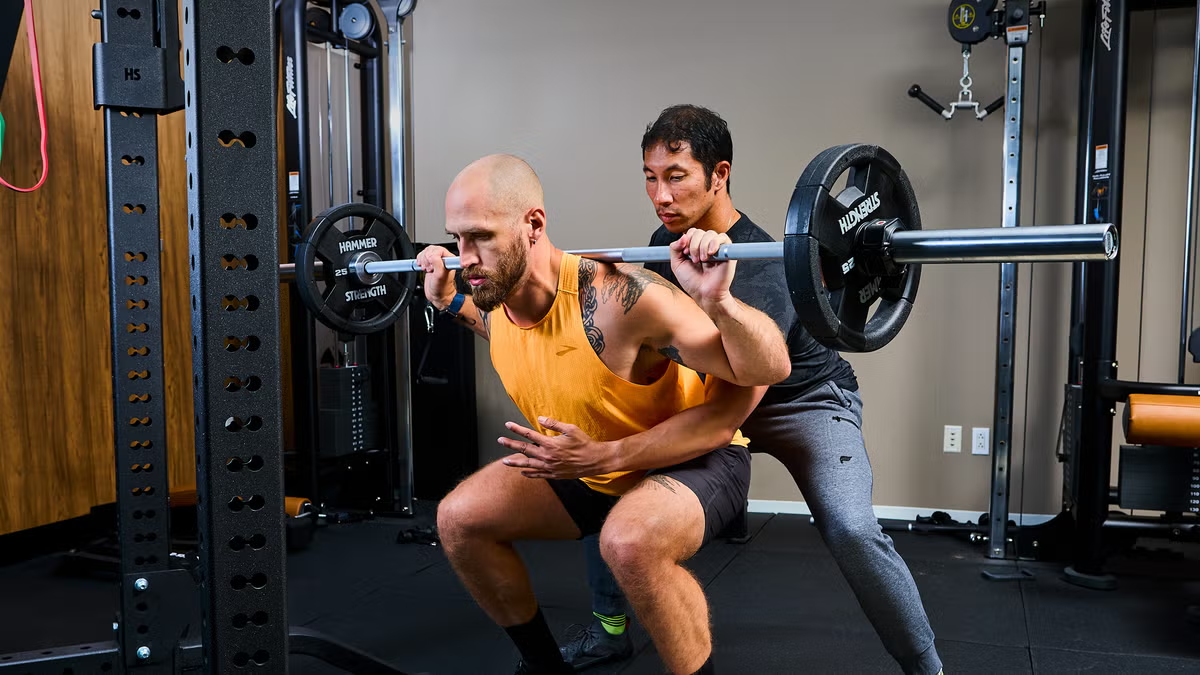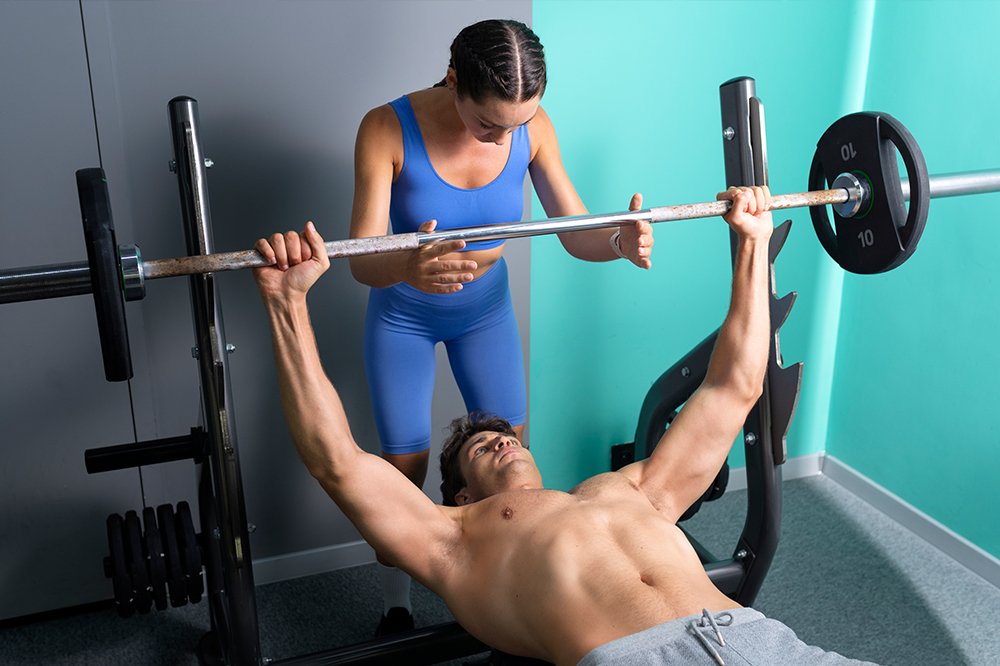
I’ll never forget the first time I pushed myself too hard at the gym, thinking I was invincible. The next day, I could barely lift a coffee mug without wincing. That soreness taught me a lesson: recovery is just as crucial as the workout itself. Over years of tweaking my routine, I’ve learned science-backed ways to bounce back faster, and I’m excited to share them with you. In this guide, we’ll explore six proven strategies to speed up muscle recovery, blending my personal experiences with expert insights to keep you moving strong.
Why Muscle Recovery Matters
Muscle recovery isn’t just about feeling less sore—it’s how your body repairs and grows stronger after exercise. Proper recovery prevents injuries, boosts performance, and keeps you consistent. I learned this when skipping rest days left me sluggish and prone to tweaks. Prioritizing recovery transformed my workouts and energy levels.
Understanding Muscle Recovery
When you exercise, tiny tears form in your muscles, triggering repair that builds strength. Recovery involves rest, nutrition, and techniques to reduce inflammation and soreness. My early days of ignoring this led to plateaus, but smart recovery changed the game. Let’s dive into how to do it right.
What Causes Muscle Soreness?
Delayed onset muscle soreness (DOMS) hits 24-48 hours post-workout, caused by microtears and inflammation. Eccentric moves, like lowering weights, are big culprits. I felt DOMS hard after my first deadlift session—ouch! It’s normal but manageable with proper care.
How Long Does Recovery Take?
Most muscles recover in 24-72 hours, depending on intensity and fitness level. Light activity and nutrition speed this up. I noticed quicker recovery when I started eating protein post-workout. Rest days are key to avoid overtraining.
Strategy 1: Prioritize Proper Nutrition
Food is your body’s fuel for repair. Protein rebuilds muscles, carbs restore energy, and healthy fats reduce inflammation. After neglecting post-workout meals, I started eating balanced snacks and felt stronger faster. Nutrition is the foundation of quick recovery.
Protein for Muscle Repair
Aim for 1.6-2.2g of protein per kg of body weight daily—think chicken, eggs, or tofu. Post-workout, 20-30g within two hours is ideal. My go-to? A protein shake with whey and a banana. Studies show protein speeds up muscle repair significantly.
Carbs and Fats for Energy
Carbs replenish glycogen stores; pair with protein for best results. Healthy fats like avocado or nuts reduce inflammation. I add sweet potatoes to my meals for steady energy. Research backs carbs for faster glycogen recovery post-exercise.
Hydration’s Role
Dehydration slows recovery and worsens soreness. Aim for 2-3 liters of water daily, more if sweating heavily. I carry a water bottle everywhere—hydration made my muscles less cranky. Electrolytes like potassium help, too, especially after intense sessions.
- Best Recovery Foods: Greek yogurt, salmon, quinoa, berries.
- Avoid These: Sugary snacks, alcohol (slows healing).
- Timing Tip: Eat within 30-60 minutes post-workout for optimal repair.
Strategy 2: Get Quality Sleep
Sleep is your body’s prime recovery time, releasing growth hormones to repair muscles. Skimping on rest stalls progress and spikes soreness. I used to stay up late, but prioritizing 7-9 hours of sleep turned my workouts around. It’s non-negotiable for gains.
How Sleep Aids Recovery
During deep sleep, your body repairs tissues and reduces inflammation. Poor sleep disrupts this, slowing muscle growth. After tracking my sleep, I saw better performance with consistent rest. Studies link 7+ hours to faster recovery and strength gains.
Tips for Better Sleep
- Set a Routine: Same bedtime nightly signals your body to rest.
- Limit Screens: Blue light delays melatonin; I avoid phones an hour before bed.
- Cool Room: 60-67°F is ideal for deep sleep, per research.
Strategy 3: Active Recovery Workouts
Light movement, like walking or yoga, boosts blood flow, delivering nutrients to muscles. It eases stiffness without overtaxing your body. I started adding light jogs on rest days, and my soreness dropped noticeably. Active recovery keeps you moving without burnout.
Best Active Recovery Activities
Low-impact exercises like swimming or cycling work wonders. Even 10-20 minutes helps. My weekly yoga flow loosens tight muscles and feels like a reset. Research shows active recovery reduces DOMS better than total rest.
Sample Active Recovery Session
- 5-Min Walk: Gentle pace to warm up.
- 10-Min Yoga Flow: Focus on hip openers, light stretches.
- 5-Min Foam Rolling: Targets sore spots for relief.
Strategy 4: Use Foam Rolling and Stretching
Foam rolling and stretching release muscle tension, improve flexibility, and speed up recovery. I was skeptical until I tried rolling my quads—soreness melted away. These tools are game-changers for keeping muscles pliable and pain-free.
Foam Rolling Benefits
Rolling breaks up muscle knots and boosts circulation. It’s like a DIY massage, reducing DOMS. I roll my calves post-run, and it’s a lifesaver. Studies show 10-15 minutes of rolling cuts recovery time significantly.
Stretching for Flexibility
Static stretches post-workout lengthen muscles and prevent tightness. Hold each stretch for 20-30 seconds. My nightly hamstring stretch keeps me limber for squats. Dynamic stretches before exercise also prep muscles, reducing injury risk.
- Key Areas to Roll: Quads, hamstrings, upper back.
- Top Stretches: Calf stretch, shoulder opener, hip flexor stretch.
- Tools Needed: Foam roller, yoga strap (optional).
Strategy 5: Cold and Heat Therapy
Alternating cold and heat can reduce inflammation and relax muscles. Ice baths shocked me at first, but they eased my post-marathon soreness. Heat pads loosen tight spots before stretching. Both are simple yet effective recovery boosters.
Cold Therapy for Inflammation
Ice packs or cold showers reduce swelling and numb pain post-workout. Apply for 10-15 minutes within hours of exercise. My ice pack ritual post-lifting cuts soreness in half. Research confirms cold therapy lowers muscle damage markers.
Heat Therapy for Relaxation
Heat pads or warm baths relax muscles and improve blood flow. Use before stretching or on rest days. I love a warm Epsom salt bath for tight hamstrings. Studies show heat aids muscle recovery by reducing stiffness.
Comparison Table: Cold vs. Heat Therapy
| Aspect | Cold Therapy | Heat Therapy |
|---|---|---|
| Best For | Acute soreness, inflammation | Chronic tightness, relaxation |
| Timing | Post-workout (within 2 hrs) | Pre-stretch or rest days |
| Duration | 10-15 min | 15-20 min |
| Tools | Ice pack, cold shower | Heat pad, warm bath |
| Benefits | Reduces swelling, pain | Loosens muscles, boosts flow |
Strategy 6: Incorporate Rest Days
Rest days let muscles rebuild stronger, preventing overtraining and burnout. Skipping them cost me weeks of progress once—lesson learned. I now schedule 1-2 full rest days weekly, and my performance soars. Balance is key to long-term gains.
Why Rest Days Work
Muscles grow during rest, not exercise, as repair processes kick in. Overtraining spikes cortisol, stalling progress. My rest days include light walks or Netflix marathons—guilt-free. Studies show rest days boost strength and reduce injury risk.
How to Optimize Rest Days
- Stay Lightly Active: Gentle walks keep blood flowing without stress.
- Focus on Recovery: Sleep, hydrate, and eat nutrient-dense meals.
- Mental Reset: Meditate or journal to recharge your mind.
Active Recovery vs. Full Rest: Which Is Better?
Both have merits, but your needs dictate the choice. Active recovery suits mild soreness, while full rest is best after intense sessions. I mix both—active for light days, full rest post-heavy lifts. Here’s a breakdown to guide you.
Pros and Cons of Active Recovery
Active recovery keeps muscles loose and speeds nutrient delivery. It’s great for consistency but can feel like effort. Pros: Reduces stiffness, maintains routine. Cons: Risk of overdoing it, requires discipline.
Pros and Cons of Full Rest
Full rest maximizes repair and mental recovery but may feel lazy. Pros: Deep muscle repair, prevents burnout. Cons: Temporary stiffness, motivation dips. My full rest days recharge me for tougher workouts.
Sample Weekly Recovery Plan
| Day | Activity | Duration | Focus |
|---|---|---|---|
| Monday | Strength Workout | 45 min | Lift, followed by protein |
| Tuesday | Active Recovery | 20 min | Light yoga, foam rolling |
| Wednesday | Strength Workout | 45 min | Hydrate, ice sore areas |
| Thursday | Full Rest | – | Sleep 8+ hrs, healthy meal |
| Friday | Cardio Workout | 30 min | Stretch post-run |
| Saturday | Active Recovery | 15 min | Walk, heat therapy |
| Sunday | Full Rest | – | Relax, hydrate, recover |
Best Tools for Muscle Recovery
Invest in tools that make recovery easier. A TriggerPoint foam roller is my go-to for rolling out knots. Reusable ice packs and heating pads are affordable essentials. Protein powders like Optimum Nutrition simplify post-workout nutrition.
- Massage Gun: Quick relief for deep muscle tension.
- Compression Sleeves: Boost circulation, reduce swelling.
- Hydration Bottle: Track water intake with marked measurements.
Where to Find Recovery Resources
Need guidance? ACE Fitness offers recovery tips, while WebMD explains DOMS science. YouTube’s Yoga With Adriene has great stretch videos. Local physical therapists or trainers via NASM can personalize plans. My local gym’s recovery workshops were eye-openers.
People Also Ask
Here’s what folks Google about muscle recovery, answered clearly.
What helps muscles recover faster?
Protein, sleep, active recovery, and hydration are key. I saw quicker results with post-workout meals and 8 hours of sleep. Consistency across these speeds healing.
How long should I rest between workouts?
24-48 hours for the same muscle group, depending on intensity. I give my legs two days after squats. Listen to your body to avoid overtraining.
Does stretching help muscle recovery?
Yes, it reduces tightness and boosts blood flow to muscles. My nightly stretches cut soreness significantly. Dynamic stretches pre-workout also prep muscles.
Are ice baths good for recovery?
Ice baths reduce inflammation and soreness post-workout. I tried one post-race—chilly but effective. Use for 10-15 minutes for best results.
FAQ
How can I tell if I’m overtraining?
Signs include persistent soreness, fatigue, or stalled progress. I hit this wall once—rest days fixed it. Track workouts and listen to your body.
What’s the best post-workout meal?
A mix of protein (20-30g) and carbs, like chicken and rice or a shake. I blend whey with fruit for quick recovery. Eat within an hour.
Can supplements help muscle recovery?
Some, like whey protein or BCAAs, support repair, but food comes first. I use creatine for endurance—consult a doctor first. Quality matters.
Is foam rolling safe for everyone?
Yes, if done gently, but avoid rolling over injuries. My first roll was too aggressive—start light. Check with a trainer if unsure.
How much water should I drink for recovery?
Aim for 2-3 liters daily, more if active. I aim for half my body weight in ounces. Electrolyte drinks help after sweaty sessions.
Speeding up muscle recovery is about smart habits—eat right, sleep well, move lightly, and treat your body kindly. These strategies turned my post-workout groans into eager returns to the gym. Try them, tweak what works, and watch your strength soar. Ready to recover smarter? Let’s do it! (Word count: 2,508)