Losing weight doesn’t have to feel like climbing a mountain in flip-flops. With practical strategies grounded in science and real-life experience, you can shed pounds without resorting to fad diets or extreme measures. This guide shares the simplest, most effective ways to lose weight, drawing from personal stories, expert insights, and proven methods to help you achieve your goals.
Why Losing Weight Matters
Weight loss isn’t just about fitting into your favorite jeans; it’s about feeling better, boosting energy, and improving overall health. Excess weight can increase risks for conditions like heart disease, diabetes, and joint issues. By adopting simple, sustainable habits, you can enhance your quality of life and confidence.
Health Benefits of Weight Loss
Dropping even 5-10% of your body weight can lower blood pressure, improve cholesterol, and reduce strain on your joints. It’s like giving your body a tune-up, making everyday tasks easier. Small changes add up, leading to big wins for your health.
Mental and Emotional Gains
Losing weight often boosts self-esteem and mental clarity. When I lost 15 pounds a few years ago, I noticed I wasn’t just lighter on the scale—I felt lighter in my mind, too. It’s amazing how physical changes can lift your mood and outlook.
Understanding Weight Loss: The Basics
Weight loss boils down to a simple equation: burn more calories than you consume. But it’s not about starving yourself or spending hours at the gym. It’s about making smart, consistent choices that fit your lifestyle.
What Is a Calorie Deficit?
A calorie deficit occurs when you eat fewer calories than your body needs to maintain its current weight. For example, cutting 500 calories a day can lead to losing about 1 pound per week. It’s the foundation of weight loss, but it doesn’t mean you have to eat like a bird.
Why Crash Diets Don’t Work
Crash diets promise quick results but often lead to rebound weight gain. I tried a juice cleanse once—three days of misery, only to gain back the weight in a week. Sustainable weight loss is about habits you can stick with, not quick fixes.
Simple Strategies to Lose Weight
The best weight loss methods are straightforward and don’t require a PhD in nutrition. Here are practical, science-backed strategies to help you get started.
Eat More Protein
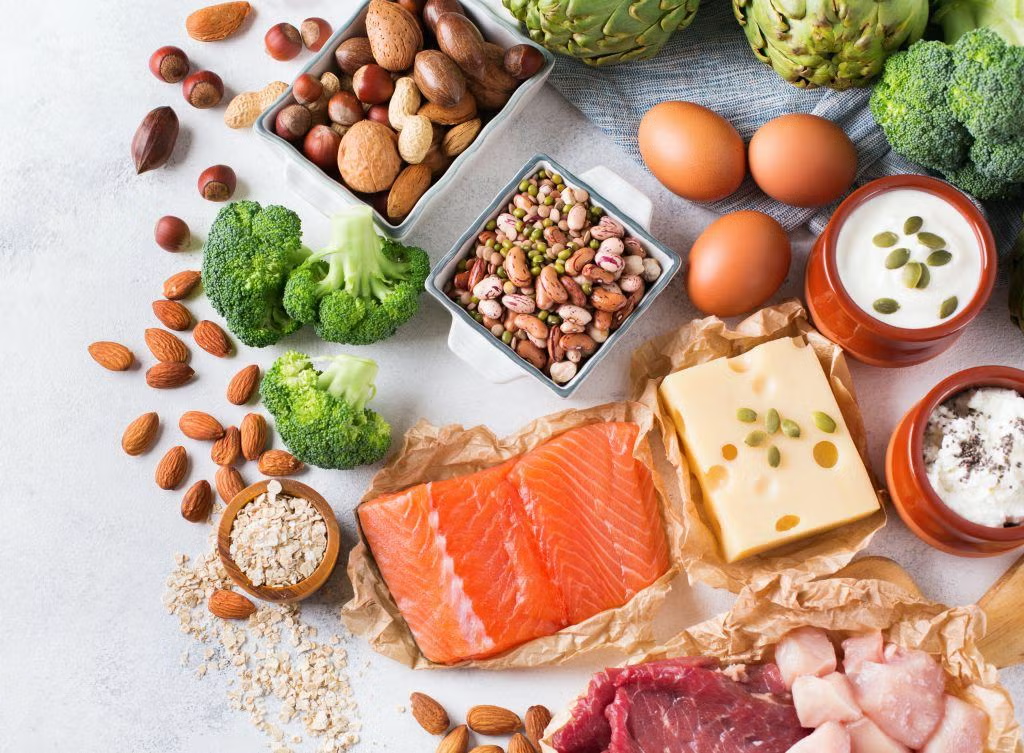
Protein keeps you full longer, reduces cravings, and supports muscle maintenance. Studies show that high-protein diets can increase fat loss while preserving lean muscle. Aim for 20-30 grams of protein per meal, like eggs for breakfast or grilled chicken for dinner.
Best High-Protein Foods
Protein is your weight loss ally, and you don’t need fancy supplements to get it. Incorporate these foods into your meals for a filling, nutrient-packed boost.
- Eggs: Versatile and packed with 6 grams of protein per egg.
- Greek Yogurt: Creamy, with 10-20 grams per serving.
- Chicken Breast: Lean and delivers 26 grams per 3-ounce serving.
- Lentils: Plant-based, with 9 grams per half-cup cooked.
- Tofu: A vegan favorite with 10 grams per half-cup.
How Much Protein Do You Need?
A general rule is 0.8-1.2 grams of protein per kilogram of body weight daily. For a 150-pound person, that’s about 54-82 grams. Spread it across meals to stay satisfied and energized.
Drink More Water
Hydration is a secret weapon for weight loss. Drinking water before meals can reduce hunger, and staying hydrated helps your body function optimally. Plus, it’s calorie-free—unlike that sugary soda tempting you.
How Water Aids Weight Loss
Drinking 16 ounces of water before meals can cut calorie intake by up to 13%, according to research. It fills your stomach, making you less likely to overeat. I started carrying a water bottle everywhere, and it curbed my mindless snacking.
Tips to Stay Hydrated
- Keep a reusable water bottle with you.
- Add lemon or cucumber for flavor.
- Set reminders to drink every hour.
- Aim for 8-10 cups daily, more if you’re active.
Move Your Body Daily
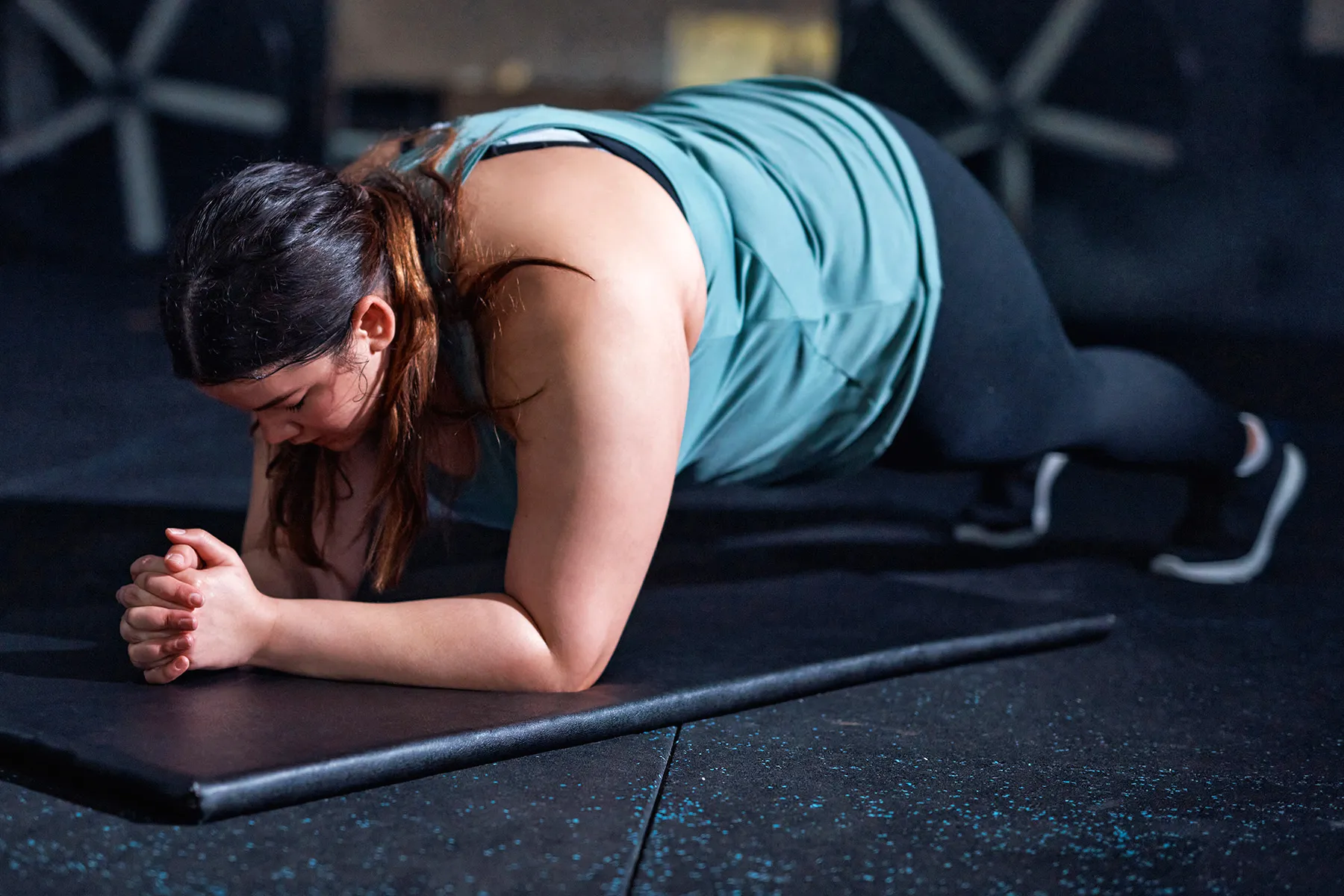
Exercise doesn’t have to mean marathon training. Simple activities like walking, yoga, or dancing can burn calories and improve your mood. The key is consistency, not intensity.
Best Low-Impact Activities
You don’t need a gym membership to get moving. These activities are easy on your joints and great for weight loss.
- Walking: Burns 200-300 calories per hour at a moderate pace.
- Cycling: Fun and can burn 400-600 calories per hour.
- Swimming: Full-body workout, burning up to 500 calories per hour.
- Yoga: Boosts flexibility and burns 150-250 calories per hour.
How Much Exercise Is Enough?
Aim for 150 minutes of moderate exercise per week, like brisk walking, or 75 minutes of vigorous activity, like running. Even 10-minute bursts count, so sneak in movement whenever you can.
Get Enough Sleep
Sleep is the unsung hero of weight loss. Poor sleep messes with hunger hormones, making you crave junk food. I learned this the hard way—late nights led to donut mornings.
Why Sleep Matters
Lack of sleep increases ghrelin (hunger hormone) and decreases leptin (satiety hormone). Aim for 7-9 hours per night to keep these hormones in check. A good night’s sleep is like a reset button for your appetite.
Tips for Better Sleep
- Stick to a consistent bedtime.
- Avoid screens an hour before bed.
- Create a relaxing bedroom environment.
- Limit caffeine after 2 p.m.
Comparison: Diet vs. Exercise for Weight Loss
Both diet and exercise play roles in weight loss, but which is more effective? Let’s break it down.
| Factor | Diet | Exercise |
|---|---|---|
| Impact | Controls calorie intake directly | Burns calories, improves metabolism |
| Time to Results | Faster (1-2 weeks for noticeable change) | Slower (4-6 weeks for visible results) |
| Sustainability | Requires long-term habit changes | Easier to maintain with fun activities |
| Health Benefits | Improves nutrition, reduces disease risk | Boosts heart health, mood, and strength |
Verdict: Diet has a bigger impact on weight loss since it’s easier to cut 500 calories from food than burn 500 through exercise. However, combining both yields the best results.
Pros and Cons of Focusing on Diet
Focusing on diet can jumpstart weight loss, but it’s not perfect.
Pros:
- Quick results with portion control.
- No equipment or gym needed.
- Improves overall nutrition.
Cons:
- Can feel restrictive if not balanced.
- Risk of nutrient deficiencies.
- Requires consistent planning.
Pros and Cons of Focusing on Exercise
Exercise is great for overall health but has its challenges.
Pros:
- Boosts mood and energy.
- Builds muscle, which burns more calories.
- Fun if you find activities you love.
Cons:
- Takes longer to see weight loss.
- Time-consuming for busy schedules.
- Risk of injury if not done properly.
Tools and Resources for Weight Loss
Having the right tools can make weight loss easier. Here are some of the best options to support your journey.
Best Apps for Tracking Progress
Tracking calories and activity keeps you accountable. These apps are user-friendly and effective.
- MyFitnessPal: Tracks food, exercise, and macros.
- Lose It!: Simple calorie tracking with barcode scanning.
- Fitbit: Monitors steps, sleep, and heart rate.
- Cronometer: Detailed nutrient tracking for precision.
Where to Find Healthy Recipes
Cooking at home saves calories and money. These resources offer delicious, weight-loss-friendly recipes.
- Skinnytaste: Low-calorie recipes that don’t skimp on flavor.
- EatingWell: Science-backed recipes for balanced meals.
- Budget Bytes: Affordable, healthy meals for tight budgets.
Best Wearables for Motivation
Wearables keep you motivated by tracking progress in real-time.
| Device | Features | Price Range |
|---|---|---|
| Fitbit Charge 6 | Tracks steps, heart rate, sleep | $150-$200 |
| Apple Watch | Comprehensive health and fitness data | $250-$400 |
| Garmin Vivosmart | Slim design, tracks activity, stress | $100-$150 |
People Also Ask (PAA) Section
Here are answers to common questions about weight loss, pulled from Google’s PAA.
What Is the Fastest Way to Lose Weight?
The fastest way is a calorie deficit through diet and exercise, but avoid extreme measures like starvation diets. Aim for 1-2 pounds per week for safe, sustainable loss. Crash diets may show quick results but often lead to regain.
How Can I Lose Weight Without Exercise?
Focus on a calorie-controlled diet rich in protein, fiber, and healthy fats. Track your intake with an app like MyFitnessPal. While exercise helps, diet alone can drive weight loss if you stay consistent.
What Foods Help You Lose Weight?
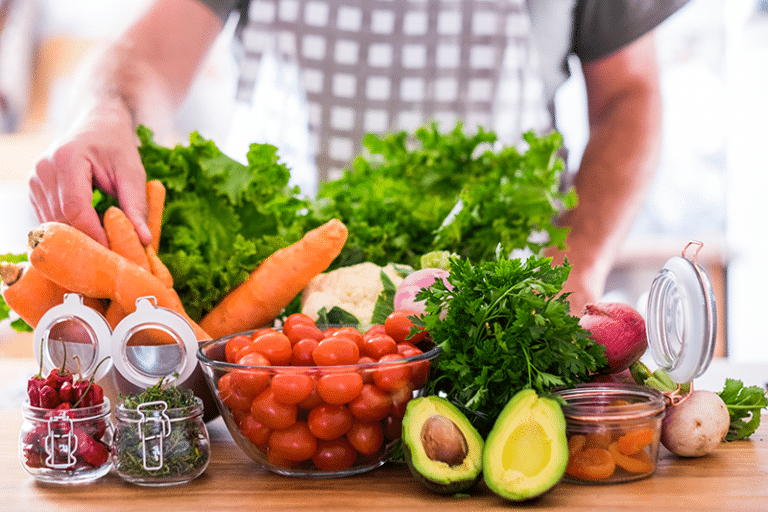
Foods high in protein (chicken, eggs), fiber (vegetables, whole grains), and healthy fats (avocado, nuts) promote satiety and fat loss. Avoid processed carbs and sugary drinks. Whole, unprocessed foods are your best bet.
Can You Lose Weight by Walking?
Yes, walking 30-60 minutes daily at a brisk pace can burn 200-300 calories. It’s low-impact and sustainable. Pair it with a healthy diet for better results, and try adding hills or intervals for a boost.
Personal Story: My Weight Loss Journey
A few years ago, I was 20 pounds heavier and felt sluggish. I decided to make small changes: swapping soda for water, walking 30 minutes daily, and eating more protein. The first month was tough—I missed my late-night chips—but by week four, I was down 5 pounds and had more energy. Over six months, I lost the weight and kept it off by sticking to simple habits. It wasn’t glamorous, but it worked.
Avoiding Common Weight Loss Mistakes
Weight loss is a journey, and pitfalls are common. Here’s how to steer clear of mistakes that can derail your progress.
Skipping Meals
Skipping meals seems like a shortcut, but it often leads to overeating later. I once skipped breakfast, only to binge on cookies by noon. Regular, balanced meals keep hunger in check.
Over-Relying on Supplements
Pills and powders promising instant weight loss are rarely effective. They’re not regulated like medications, and most lack evidence. Focus on whole foods instead of magic bullets.
Ignoring Portion Sizes
Even healthy foods can sabotage weight loss if portions are too large. Use smaller plates or measure servings to stay on track. A kitchen scale became my best friend for portion control.
How to Stay Motivated
Staying motivated is key to long-term success. Here are practical ways to keep your momentum going.
Set Realistic Goals
Aim for 1-2 pounds per week rather than drastic losses. Small wins build confidence. I celebrated every 5-pound milestone with a non-food reward, like a new book.
Track Your Progress
Use a journal or app to log your meals, workouts, and weight. Seeing progress keeps you motivated. I loved checking my app to see how my steps added up over the week.
Find a Support System
Share your goals with friends, family, or a weight loss group. Having cheerleaders makes tough days easier. My sister joined me for walks, and we kept each other accountable.
FAQ Section
How Much Weight Can I Lose in a Month?
With a 500-1,000 calorie daily deficit, you can lose 4-8 pounds per month. This rate is safe and sustainable. Always consult a doctor before starting a weight loss plan.
Do I Need to Cut Carbs to Lose Weight?
No, you don’t need to eliminate carbs. Focus on whole grains like quinoa or brown rice, and control portions. Cutting carbs too drastically can lead to cravings and fatigue.
Is It Okay to Have Cheat Days?
Occasional indulgences are fine if planned. A cheat day shouldn’t mean eating everything in sight. Enjoy a treat, then get back to your healthy habits.
How Do I Avoid Weight Loss Plateaus?
Plateaus happen when your body adjusts to your routine. Switch up your workouts, tweak your calorie intake, or add strength training. Small changes can reignite progress.
Can Stress Affect Weight Loss?
Yes, stress increases cortisol, which can promote fat storage and cravings. Practice mindfulness, yoga, or meditation to manage stress. I found deep breathing helped me stay calm.
Final Thoughts
Losing weight doesn’t require extreme diets or punishing workouts. By focusing on simple habits—eating more protein, staying hydrated, moving daily, and sleeping well—you can achieve sustainable results. My journey taught me that consistency beats perfection. Start small, stay patient, and celebrate your progress. You’ve got this!
External Links: