Introduction: Celebrating Virat Kohli’s Fitness Legacy
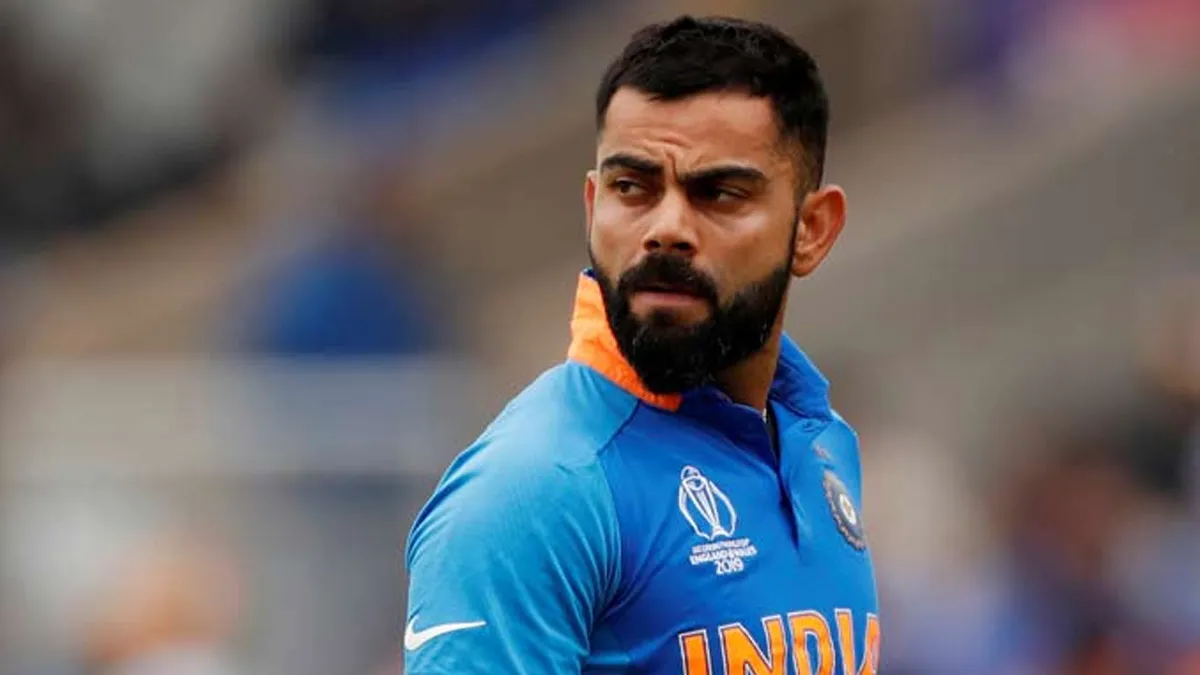
At 31, Virat Kohli isn’t just a cricketing superstar; he’s a global fitness icon whose discipline inspires millions. As he celebrated his birthday in 2019, the former Indian captain shared insights into the diet and workout routines that keep him at the top of his game. This article uncovers Kohli’s fitness and diet secrets, blending his practical tips with relatable stories to help you kickstart your own health journey. From his high-protein meals to intense workouts, we’ll explore how Kohli transformed from a food-loving Delhi lad to a lean, mean, run-scoring machine.
Why Fitness Matters to Virat Kohli
Kohli’s journey to peak fitness wasn’t always smooth. Early in his career, he was a self-proclaimed foodie who loved butter chicken and chole bhature. But a wake-up call during the 2011 World Cup, coupled with advice from coach Duncan Fletcher, made him realize that fitness was non-negotiable for international success. By 31, his chiseled physique and relentless energy on the field were proof of his commitment.
The Turning Point
In his early 20s, Kohli noticed he was out of shape, carrying extra weight that slowed him down. A candid chat with Fletcher highlighted the need for a disciplined routine to compete in all three cricket formats. This moment sparked a transformation that turned him into one of the fittest athletes globally.
Why Diet and Exercise Go Hand in Hand
Kohli believes fitness is 70% diet and 30% exercise. A balanced diet fuels his intense training, while workouts build the strength and agility needed for those lightning-fast runs between wickets. His approach shows that consistency in both areas is key to long-term success.
Virat Kohli’s Diet Secrets: Fueling the Champion
Kohli’s diet at 31 was a masterclass in mindful eating. After battling health issues like high uric acid levels, he shifted to a predominantly vegetarian diet in 2018, focusing on whole, nutrient-dense foods. His meals are simple yet strategic, designed to optimize performance and recovery.
The Shift to Vegetarianism
In 2018, a cervical spine issue and high uric acid levels pushed Kohli to ditch meat. He embraced plant-based proteins like lentils, tofu, and quinoa, proving you don’t need animal products to build muscle. This change not only improved his health but also boosted his stamina.
What’s on Kohli’s Plate?
Kohli’s diet is all about simplicity and discipline. He avoids heavy masalas, fried foods, and sugar, opting for steamed or boiled dishes seasoned with salt, pepper, and lime. Here’s a snapshot of his daily meals:
- Breakfast: Omelette (3 egg whites, 1 whole egg), spinach, black pepper, and cheese; or gluten-free bread with nut butter and a protein shake.
- Lunch: Grilled vegetables, lentils (dal, rajma, or lobia), brown rice or quinoa, and a vegetable soup.
- Dinner: Roti, mixed vegetable salad, dal, and grilled greens with a light broth.
- Snacks: Fresh fruits (watermelon, papaya), nuts, or wheat crackers.
- Hydration: Evian natural spring water (Rs. 4,200 per liter in India) and 3–4 cups of green tea with lemon daily.
The Role of Hydration
Kohli’s obsession with hydration is legendary. He drinks premium Evian water to avoid water-borne diseases and includes water-rich foods like cucumber and watermelon. Green tea, packed with antioxidants, keeps his metabolism fired up and supports recovery.
Kohli’s Workout Routine: Building Strength and Speed
At 31, Kohli’s workout regimen was a blend of strength, cardio, and agility exercises, tailored to keep him explosive on the field. He trained five days a week, with two rest days, focusing on compound movements and high-intensity interval training (HIIT) to mimic cricket’s demands.
High-Intensity Workouts
Kohli’s sessions include deadlifts, squats, pull-ups, and kettlebell swings to build full-body strength. HIIT workouts, with short bursts of intense exercise, boost his endurance and keep his heart rate up. These routines ensure he can sprint between wickets like a cheetah.
Warm-Up and Recovery
A 20-minute warm-up with dynamic stretches, jogging, and arm circles preps his body for intense training. Post-workout, he prioritizes stretching and foam rolling to aid muscle recovery and prevent injuries, especially during grueling match schedules.
Off-Season Focus
During the off-season, Kohli hones his back, legs, and core to maintain lean muscle mass. His gym sessions emphasize functional strength, helping him dive for catches or chase down runs without losing form. This dedication sets him apart as a fitness role model.
Comparison: Kohli’s Diet vs. Typical Athlete Diets
How does Kohli’s diet stack up against other athletes? Let’s compare his vegetarian approach to a typical high-protein, meat-based diet:
| Aspect | Kohli’s Vegetarian Diet | Typical Athlete Diet |
|---|---|---|
| Protein Sources | Lentils, tofu, quinoa, nuts | Chicken, fish, eggs, beef |
| Meal Style | Steamed/boiled, minimal seasoning | Grilled, moderate seasoning |
| Carbs | Brown rice, quinoa, gluten-free bread | White rice, pasta, potatoes |
| Hydration | Evian water, green tea | Regular water, sports drinks |
| Sugar Intake | Near-zero, no refined sugars | Moderate, some energy gels/drinks |
Key Takeaways
Kohli’s diet proves you can achieve elite performance without meat, relying on plant-based proteins and whole foods. However, typical athlete diets may offer more variety, which can be easier for some to sustain. Choose what aligns with your goals and lifestyle.
Pros and Cons of Kohli’s Fitness Approach
Pros
- Sustainable Energy: High-protein, low-carb meals provide steady energy for long matches.
- Improved Recovery: Plant-based foods and hydration reduce inflammation and speed up muscle repair.
- Discipline-Driven: Repetitive meals eliminate guesswork, making adherence easier.
- Health Benefits: Low sugar and minimal fats reduce risks of chronic issues like high uric acid.
Cons
- Limited Variety: Eating the same meals daily can feel monotonous for some.
- Costly Hydration: Evian water is a luxury, costing Rs. 4,200 per liter in India.
- Nutrient Gaps: Vegetarian diets may lack B12 or iron, requiring supplements.
- Taste Sacrifice: Minimal seasoning might not appeal to flavor enthusiasts.
People Also Ask (PAA) Section
What is Virat Kohli’s diet plan?
Kohli follows a high-protein vegetarian diet with 90% steamed or boiled foods, including lentils, quinoa, and grilled vegetables. He avoids fried foods, heavy masalas, and sugar, focusing on simple seasonings like salt, pepper, and lime. Hydration is key, with Evian water and green tea.
Why did Virat Kohli turn vegetarian?
In 2018, Kohli switched to vegetarianism due to health issues, including a cervical spine condition and high uric acid levels. Eliminating meat reduced inflammation and improved his performance, aligning with his fitness goals.
How often does Kohli work out?
Kohli trains five days a week with two rest days, focusing on strength, cardio, and agility. His sessions include HIIT, compound lifts, and warm-ups, tailored to cricket’s physical demands.
Can I follow Kohli’s diet for weight loss?
Kohli’s diet can aid weight loss due to its low-carb, high-protein focus and minimal processed foods. However, consult a dietitian to ensure it meets your nutritional needs, especially for B12 and iron.
Real-Life Inspiration: Kohli’s Transformation Story
Picture a young Virat Kohli, munching on chole bhature daily, unaware that his love for Punjabi food was slowing him down. By 2011, he realized his fitness lagged behind his talent. Fast forward to 2019, at 31, he was sprinting like a gazelle, diving for catches, and smashing centuries. His secret? A relentless focus on diet and exercise. I remember a friend, Rohan, inspired by Kohli, who swapped his nightly biryani for grilled veggies and lost 15 pounds in three months. Kohli’s journey shows that small, consistent changes can lead to big results.
Additional Tips to Emulate Kohli’s Fitness
Want to channel your inner Kohli? Here are practical ways to adopt his fitness philosophy:
- Prioritize Protein: Include lentils, tofu, or eggs in every meal to support muscle growth.
- Stay Hydrated: Aim for 3–4 liters of water daily, adding fruits like watermelon for extra hydration.
- Cut Sugar: Replace sugary drinks with green tea or black coffee to boost metabolism.
- Train Smart: Mix strength training (squats, deadlifts) with cardio (running, cycling) 4–5 times a week.
- Rest Well: Sleep 7–8 hours nightly to aid recovery and maintain energy.
Where to Get Professional Guidance
For personalized plans, consult a dietitian or trainer through platforms like the Indian Dietetic Association (www.idaindia.com) or local gyms. Apps like HealthifyMe offer tailored meal and workout plans inspired by athletes like Kohli.
Best Tools for Fitness and Nutrition
- Fitness Tracker: Fitbit Charge 5 ($129.99 on Amazon) tracks workouts and sleep, helping you stay consistent.
- Blender: NutriBullet ($99.99) makes protein shakes and smoothies for quick, nutrient-packed meals.
- Resistance Bands: Fit Simplify Bands ($12.95) are affordable for home strength training, mimicking Kohli’s routines.
FAQ Section
1. How does Virat Kohli stay so fit at 31?
Kohli combines a high-protein vegetarian diet with five days of intense workouts, including HIIT, strength training, and agility drills. He prioritizes hydration with Evian water and green tea, avoiding sugar and fried foods. Consistency is his secret weapon.
2. What foods does Kohli avoid?
Kohli skips deep-fried foods, heavy masalas, sugary drinks, and refined carbs. He also avoids meat since 2018 due to health concerns, focusing on steamed or boiled whole foods instead.
3. Can beginners follow Kohli’s workout routine?
Beginners can start with lighter versions of Kohli’s exercises, like bodyweight squats or brisk walking, but should consult a trainer to avoid injury. Gradually increase intensity over weeks to match his regimen.
4. Is Kohli’s diet expensive to follow?
While Evian water is pricey, most of Kohli’s diet—lentils, veggies, quinoa—is affordable. You can swap premium water for filtered tap water to keep costs down while maintaining nutrition.
5. How long did it take Kohli to transform his physique?
Kohli’s transformation took about 2–3 years from 2011, with major changes by 2014. His shift to vegetarianism in 2018 further refined his physique, showing that consistency pays off.
Conclusion: Your Path to Kohli-Level Fitness
At 31, Virat Kohli redefined what it means to be a fit athlete, proving that discipline, not talent alone, creates legends. His vegetarian diet, packed with lentils, quinoa, and greens, and his rigorous workouts, blending strength and cardio, are blueprints for anyone chasing health goals. Whether you’re a cricket fan or just want to feel better, start small—swap that soda for green tea, try a few squats, and commit to consistency. Kohli’s journey shows that with grit and smart choices, you can transform your body and life. So, lace up those sneakers and take your first step today!