Hey there, friend. Remember that time I hit my mid-30s and suddenly realized my jeans weren’t fitting quite the same? Yeah, that was my wake-up call. I’d been juggling work, kids, and everything in between, thinking coffee runs counted as cardio. But diving into consistent workouts changed everything—not just my body, but my energy and mood too. As a fitness enthusiast who’s trained through pregnancies and busy seasons, I’ve learned that staying fit isn’t about perfection; it’s about finding moves that make you feel strong and alive. In this guide, we’ll explore workouts every woman should incorporate to build strength, boost heart health, and keep things fun. Whether you’re a newbie or seasoned, these routines draw from real-life experiences and expert insights to help you thrive.
Why Every Woman Needs a Fitness Routine
Let’s be real—life throws curveballs, from hormonal shifts to endless to-do lists, and a solid routine helps navigate it all. It builds muscle to combat age-related loss, keeps bones strong against osteoporosis risks, and even lifts your spirits on tough days. I’ve seen friends transform from feeling sluggish to unstoppable just by committing to regular movement. Plus, it’s a game-changer for metabolism, making it easier to maintain that feel-good weight without starving yourself.
Understanding Different Types of Workouts
Fitness isn’t one-size-fits-all; mixing types keeps things exciting and targets various needs. Cardio gets your heart pumping, strength builds power, and flexibility prevents injuries. Think of it as a balanced meal for your body—skip one, and you might feel off. From my own trial and error, blending them weekly has been key to avoiding burnout and seeing real progress.
Cardio Exercises for Heart Health
Cardio like brisk walking or swimming revs up your endurance and burns calories without overwhelming joints. It’s perfect for stress relief, as those endorphins kick in mid-stride, turning a bad day around. I started with short jogs that felt impossible, but now they’re my go-to for clearing my head. Aim for activities you enjoy to make it sustainable long-term.
Strength Training to Build Muscle
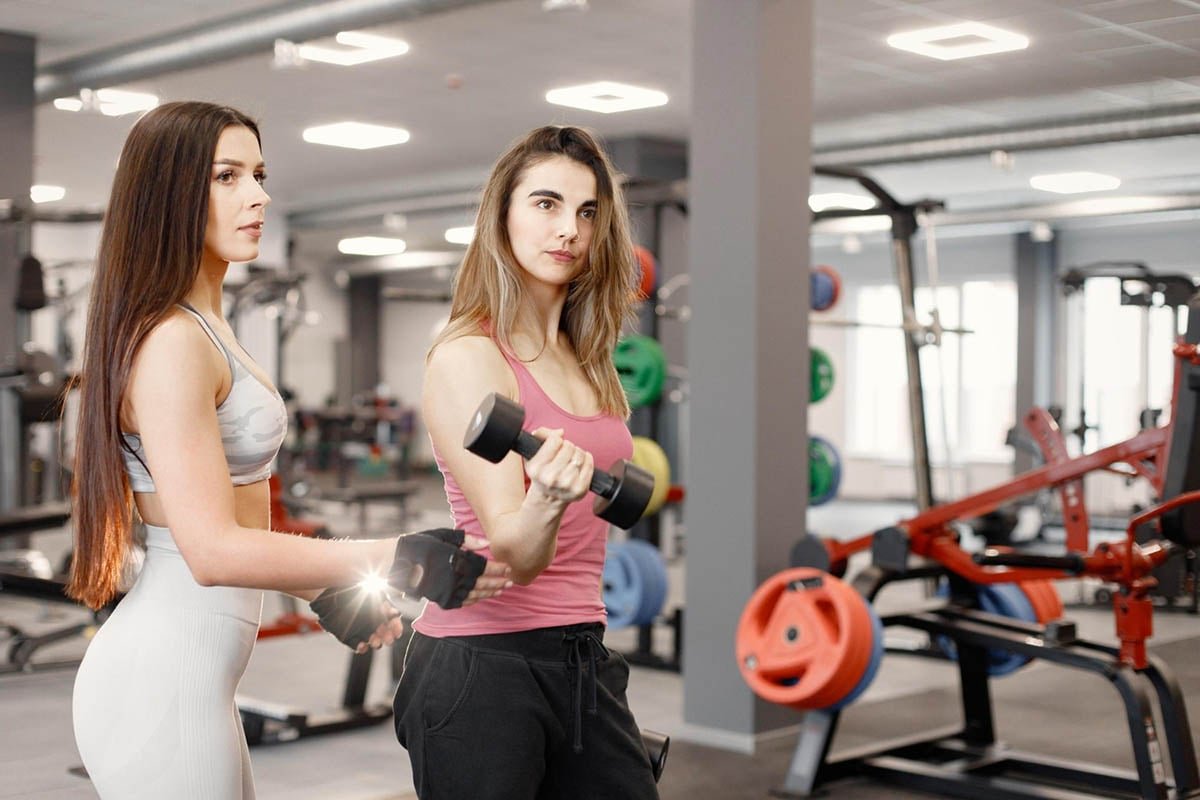
Lifting weights or using bodyweight builds lean muscle, ramps up metabolism, and empowers you in daily life. Women often shy away fearing bulk, but trust me, it tones without turning you into a bodybuilder. My first deadlift session left me sore but hooked—suddenly carrying groceries felt effortless. Focus on form to reap benefits safely.
Flexibility and Balance Workouts
Stretching and yoga improve range of motion, reduce stiffness, and enhance posture for that confident stride. They’re crucial as we age, helping prevent falls and easing tension from desk jobs. I weave in a quick yoga flow most mornings; it’s like hitting reset, leaving me flexible and focused. Don’t underestimate these—they’re the unsung heroes of fitness.
Essential Workouts for Beginners
Starting out? Keep it simple with moves that build a foundation without intimidation. These focus on full-body engagement to maximize time efficiency. Remember my beginner phase? I fumbled through squats, laughing at my wobbly legs, but persistence paid off. Ease in, listen to your body, and celebrate small wins.
Bodyweight Squats for Lower Body Strength
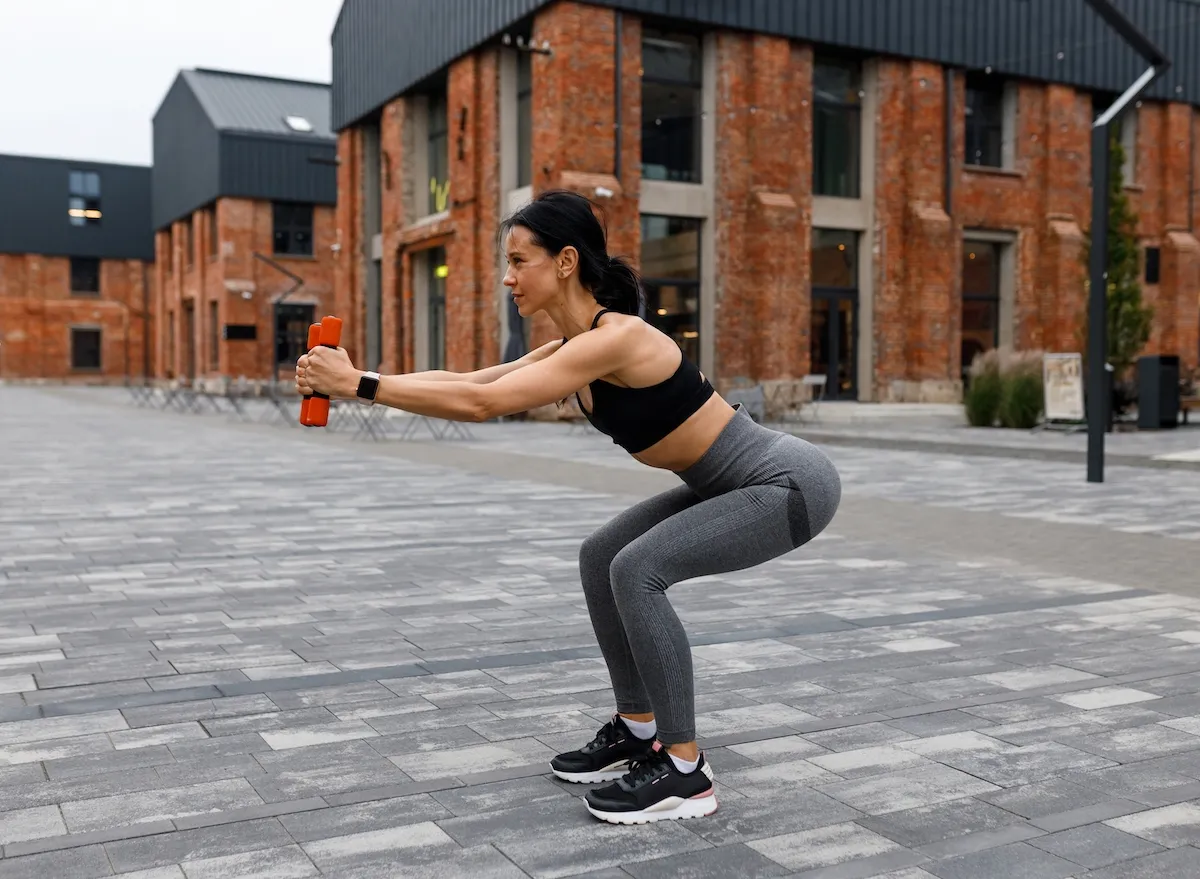
Stand with feet shoulder-width, lower as if sitting back into a chair, then rise. This targets thighs, glutes, and core for everyday power. Beginners, aim for 10-15 reps; it’s forgiving yet effective. I credit squats for helping me chase after my toddler without huffing.
Planks for Core Stability
Hold a forearm position, body straight like a board, engaging abs. Start with 20 seconds and build up—it’s killer for posture and back health. No equipment needed, perfect for home. My plank holds went from shaky to solid, boosting my overall confidence.
Walking Lunges to Improve Balance
Step forward into a lunge, alternating legs, keeping knees aligned. Great for legs and stability, plus it mimics real-life movements. Do 8-10 per side; add a twist for core work. These helped me recover post-pregnancy, making stairs a breeze again.
- Push-Ups (Knee Variation): Builds upper body without strain—drop to knees if needed.
- Wall Sits: Lean against a wall in squat position; holds build endurance humorously fast.
- Jumping Jacks: Fun cardio burst to get blood flowing without fancy gear.
Intermediate Level Workouts to Level Up
Once basics feel comfy, amp it up with added resistance or complexity. These build on beginners, pushing endurance and strength. I hit this stage after months of consistency, feeling that addictive progress high. Mix in variety to keep motivation soaring.
Dumbbell Rows for Back Strength
Bend at hips, pull weights to sides like starting a lawnmower. Targets back and arms, improving posture against slouching habits. Use 5-10 lb weights for 12 reps. My rows fixed my desk-hunch, making me stand taller naturally.
Burpees for Full-Body Cardio
Squat, jump back to plank, push-up, then leap up—intense but rewarding. Combines strength and heart work for calorie torching. Modify by stepping instead of jumping. These were my nemesis until they became my secret weapon for quick energy boosts.
Glute Bridges with Hold
Lie back, lift hips squeezing glutes, hold at top. Strengthens posterior chain, easing lower back pain. Add a band for resistance; 15 reps. Post-kid, these rebuilt my core strength, adding a pep to my step.
- Overhead Presses: Shoulder sculptors—press weights up from shoulders.
- Russian Twists: Seated twists for obliques; add weight for challenge.
- Mountain Climbers: Fast knee drives in plank for cardio-core combo.
Advanced Routines to Challenge Yourself
Ready for more? These demand control and power, rewarding with peak fitness. From my advanced tweaks, like adding intervals, I’ve hit personal bests. Push boundaries safely, perhaps with a trainer’s eye.
Deadlifts for Total Power
Hinge at hips, lift barbell or dumbbells from ground. Hits hamstrings, back, core—queen of compound moves. Start light, focus form to avoid injury. Mastering these gave me that “I can do anything” vibe.
Pull-Ups or Assisted Variations
Hang from bar, pull body up—ultimate upper body test. Use bands if needed; aim for 5-8 reps. I progressed from assisted to full, feeling like a superhero. Builds grip and back like nothing else.
High-Intensity Interval Training (HIIT) Circuits
Alternate bursts like sprints with rest; customizable for any level. Burns fat efficiently, boosts metabolism post-workout. My HIIT sessions? Short but sweaty, fitting busy days perfectly.
- Pistol Squats: Single-leg challenge for balance and strength.
- Handstand Push-Ups: Wall-supported for shoulder intensity.
- Kettlebell Swings: Explosive hips for cardio-strength fusion.
Home vs. Gym Workouts: Pros and Cons
Deciding between home sweat sessions or gym vibes? Both work wonders, depending on your life. I alternate—home for convenience, gym for motivation. Weigh these to find your fit.
Pros and Cons of Home Workouts
Home setups shine in flexibility and cost savings, no commute needed. But distractions like laundry piles can derail focus. Pros: Privacy, anytime access, bodyweight options. Cons: Limited equipment, potential isolation, space constraints.
Pros and Cons of Gym Workouts
Gyms offer variety in machines and classes, plus community energy. Downside? Crowds and fees. Pros: Expert guidance, heavy weights, social accountability. Cons: Travel time, intimidation factor, germ risks.
Comparison Table: Home vs. Gym
| Aspect | Home Workouts | Gym Workouts |
|---|---|---|
| Cost | Low (minimal gear) | Higher (membership) |
| Convenience | High (no travel) | Medium (schedule-dependent) |
| Equipment | Basic (bodyweight/dumbbells) | Advanced (machines/classes) |
| Motivation | Self-driven | Community/classes |
| Customization | Fully personal | Structured programs |
Creating a Weekly Workout Plan
A smart plan mixes rest with action, preventing overdo. Tailor to your level—beginners start light. My routine? Three strength days, two cardio, rest sprinkled in. Track progress for that satisfying glow.
Sample Weekly Plan for Intermediate Women
| Day | Workout Type | Duration | Focus Exercises |
|---|---|---|---|
| Monday | Strength (Full Body) | 45 min | Squats, Rows, Planks |
| Tuesday | Cardio | 30 min | Brisk Walk or Jog |
| Wednesday | Flexibility | 20 min | Yoga Flow |
| Thursday | Strength (Upper/Lower) | 45 min | Lunges, Presses, Bridges |
| Friday | HIIT | 30 min | Burpees, Mountain Climbers |
| Saturday | Active Rest (Walk) | 30 min | Light Stroll |
| Sunday | Rest | – | Recovery Day |
Best Tools and Equipment for Women’s Fitness
Gear elevates routines without breaking the bank. For strength, dumbbells are versatile starters. Cardio? A jump rope packs punch. I’ve tested plenty—quality matters for longevity. Check Amazon for resistance bands or Dick’s Sporting Goods for yoga mats. Best for beginners: Adjustable dumbbells like Bowflex for progression.
- Resistance Bands: Affordable, portable for home strength.
- Yoga Mat: Cushions floors, essential for core work.
- Kettlebells: Swing for dynamic full-body burns.
Where to Find Quality Workout Resources
Navigating options? Start with trusted sites like Mayo Clinic for basics or Women’s Health for routines. Apps like Peloton offer guided classes. Locally, check community centers or YMCAs for women’s groups. I discovered free YouTube channels like Fitness Blender—game-changers for variety. For personalized plans, consult a certified trainer via ACE Fitness directory.
People Also Ask
Drawing from common searches, here are real questions folks Google about women’s workouts, with straightforward answers.
What exercises should a woman do every day?
Aim for a mix like walking, planks, and squats for overall health. Consistency beats intensity— even 20 minutes daily builds habits. From experience, daily movement keeps energy steady without overwhelm.
What is the best exercise for a woman over 50?
Push-ups or strength moves like goblet squats support bone health and muscle tone. Add balance work to prevent falls. My aunt swears by these for staying vibrant through menopause.
How can a woman get fit fast?
Combine HIIT with strength 3-4 times weekly, plus clean eating. Results show in weeks, but sustainability matters. I got quicker wins mixing cardio bursts with weights—felt amazing.
What is the best workout routine for females?
A balanced plan: 150 minutes moderate cardio weekly, strength twice, flexibility often. Tailor to goals like toning or endurance. It’s what sticks that works best.
How many days a week should a woman workout?
3-5 days, allowing recovery. Overdo risks burnout; listen to your body. My sweet spot? Four days—leaves room for life.
FAQ
How do I start a workout routine as a beginner woman?
Begin with 20-30 minute sessions 2-3 times weekly, focusing on basics like squats and walks. Build gradually to avoid soreness. I started slow, adding one new move weekly, and it stuck.
Can women build muscle without bulking up?
Absolutely—moderate weights and higher reps tone without bulk. Nutrition plays a role; focus on protein. From my journey, strength training slimmed me down, not up.
What are the benefits of workouts for women’s mental health?
Exercise releases endorphins, reducing anxiety and boosting mood. Cardio especially helps with stress. I’ve turned many rough days around with a quick run—it’s like therapy.
How often should women incorporate cardio?
At least 150 minutes weekly, split into sessions. Mix brisk walks with fun like dancing. It keeps heart healthy; I aim for daily bits to stay energized.
Are home workouts effective for women?
Yes, with consistency and progression. Bodyweight or minimal gear suffices. They’re my fallback on busy weeks—effective and excuse-proof.
Wrapping up, staying fit is about empowerment, not punishment. These workouts have carried me through highs and lows, making me stronger in body and spirit. Give them a try, tweak as needed, and watch yourself glow. You’ve got this—now go move! (Word count: 2,748)